

Restore Your Smile While Preserving Natural Teeth
Cavities, small fractures, and worn areas can affect the strength, comfort, and appearance of your teeth. Treating damage early can help prevent further deterioration and preserve as much healthy tooth structure as possible. Modern restorative dentistry offers tooth-colored materials that repair affected areas while blending with the surrounding teeth.
Composite Fillings are a popular restorative option for repairing cavities and certain types of minor tooth damage. Made from a tooth-colored resin material, these fillings are shaped to restore the tooth’s natural contour and help it function comfortably. They can be particularly appealing to patients who prefer a restoration that is less noticeable than traditional silver-colored fillings.
Treatment begins with an examination to understand the extent of the damage and determine the most appropriate solution. The goal is to restore the tooth while supporting long-term oral health and maintaining a natural-looking smile.
What Are Tooth-Colored Fillings?
Composite fillings use a blend of resin and fine filler particles to repair damaged tooth structure. The material is available in different shades, allowing the dentist to select a color that closely matches the surrounding teeth.
Unlike traditional amalgam fillings, composite resin bonds to the prepared tooth surface. This bonding can help support the remaining structure and may allow the dentist to preserve more healthy tooth material in suitable cases.
These restorations can be used to treat many small or moderate cavities. They may also repair selected chips, worn edges, and minor defects when the tooth’s condition makes this approach appropriate.
The suitability of a filling depends on factors such as the size and location of the damaged area, chewing forces, and the amount of healthy tooth structure remaining. Larger areas of damage may require a crown or another restorative option.
Benefits of Composite Restorations
One of the main advantages of composite resin is its natural appearance. Because the material can be color-matched, the completed restoration may blend discreetly with the tooth. This makes it a useful option for visible teeth as well as selected teeth farther back in the mouth.
Another advantage is the bonding process. Composite resin adheres to the prepared tooth, helping restore the affected area without always requiring the extensive preparation associated with some other restorative materials.
The material is also versatile. Depending on the clinical situation, it can repair cavities, small chips, and certain surface defects. Many straightforward fillings can be completed during a single appointment, allowing patients to return to their usual activities shortly afterward.
However, composite resin is not suitable for every damaged tooth. Its durability depends on the size of the restoration, its position, oral hygiene, and individual chewing habits. A dental examination helps establish realistic expectations.
When Might a Composite Filling Be Recommended?
A dentist may recommend a composite filling when decay has affected a tooth but enough healthy structure remains to support a direct restoration. It may also be appropriate when a small section of enamel has chipped or a minor defect needs repair.
Early treatment can help prevent a cavity from expanding and damaging deeper tooth structures. If decay reaches the inner pulp, however, a filling alone may not resolve the problem. Additional treatment, such as root canal therapy, may be necessary.
Composite Dental Fillings can also be considered when replacing an older filling that has become worn, damaged, or defective. Before replacement, the dentist evaluates the existing restoration and surrounding tooth to determine the appropriate approach.
Not every stain or cosmetic imperfection requires a filling. Your dentist can explain whether restorative treatment is necessary or whether another option would better address your concerns.
What to Expect During the Procedure
Treatment generally starts with an examination of the tooth. Dental X-rays may be recommended if the dentist needs to assess decay or damage that cannot be fully evaluated visually.
If a filling is appropriate, local anesthetic may be used to keep the procedure comfortable. The dentist removes the decayed or damaged tissue and prepares the area for the restoration. The tooth surface is then treated to help the composite material bond effectively.
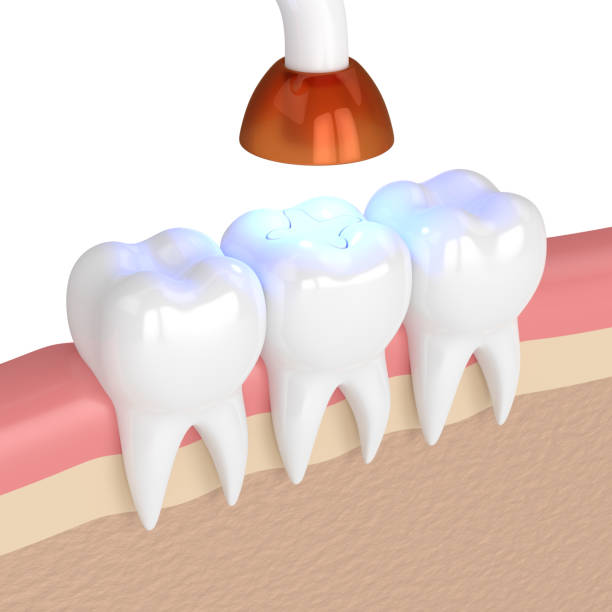
The resin is placed in layers and shaped to recreate the tooth’s natural contours. A special curing light hardens each layer before the dentist checks the restoration’s shape and bite. Final adjustments and polishing help create a smooth surface that feels comfortable during chewing.
The duration depends on the location and extent of the damage. After treatment, some patients experience temporary sensitivity to temperature or pressure. This often improves, but persistent pain or discomfort when biting should be evaluated by the dentist.
Caring for Your Filling After Treatment
Good oral hygiene helps protect the restored tooth and the surrounding teeth. Brush twice daily with fluoride toothpaste and clean between your teeth every day. Regular dental examinations allow your dentist to check the condition of the filling and identify any new concerns.
Although composite resin is durable, it can wear, stain, or chip over time. Avoid biting hard objects such as ice, pens, or fingernails. If you frequently grind or clench your teeth, discuss this habit with your dentist because excessive pressure may damage restorations.
Limit frequent sugary snacks and drinks to reduce the risk of further decay. A filling repairs existing damage, but it does not make the tooth immune to future cavities.
If a filling feels rough, becomes loose, or causes persistent sensitivity, arrange a dental evaluation rather than attempting to adjust it yourself.
Personalized Restorative Dental Care
Every tooth has different needs, so restorative treatment should be planned around the patient’s oral health, comfort, and goals. The dentist considers the size of the cavity, tooth location, bite, and amount of remaining structure before recommending a filling or an alternative restoration.
Dr. Daniel N. Giatrelis has more than 37 years of experience in general dentistry and extensive training in cosmetic and aesthetic dentistry. He graduated from Boston College and Tufts University School of Dental Medicine and has completed advanced dental study at the Dawson Dental Institute in Florida.
This background supports a considered approach to evaluating damaged teeth and discussing suitable treatment options. Patients can ask questions about materials, expected durability, care requirements, and alternatives before deciding how to proceed.
Frequently Asked Questions
- Are composite fillings noticeable?
They can be matched to the natural shade of your tooth, making them less noticeable than many metal restorations.
- How long do composite fillings last?
Their lifespan varies depending on size, location, oral hygiene, and chewing habits. Regular dental visits help monitor their condition.
- Can composite fillings repair chipped teeth?
Yes, they can repair certain minor chips and defects. The dentist must assess the damage to determine whether a filling is suitable.
- Is the filling procedure painful?
Local anesthetic can help minimize discomfort during treatment. Mild sensitivity afterward may occur temporarily.
- Can a composite filling be replaced?
Yes. If a filling becomes damaged or defective, your dentist can assess whether repair or replacement is appropriate.
Schedule Your Restorative Consultation
A damaged tooth does not always require extensive treatment. Early evaluation can help identify suitable ways to restore its function and appearance while preserving healthy structure. Contact the dental practice to discuss your concerns, learn whether a composite filling is appropriate, and arrange a consultation for personalized restorative care.