

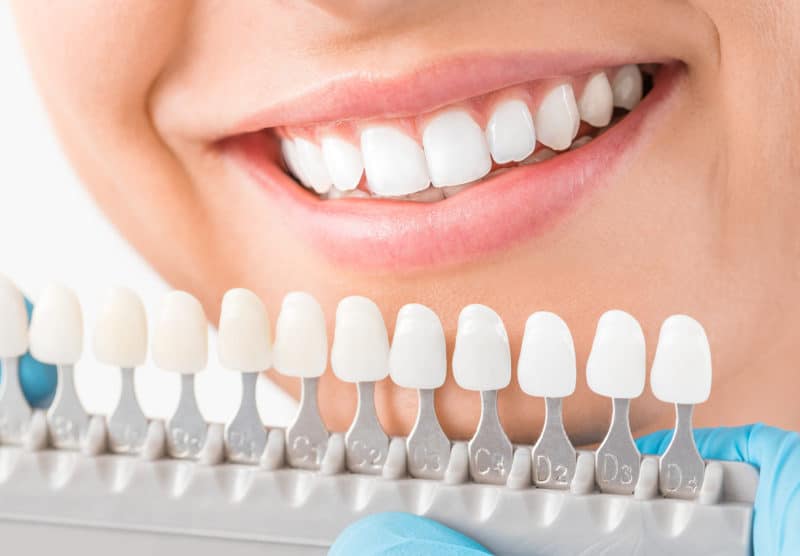
A Brighter Smile Starts With the Right Approach
A bright smile can make you feel more confident when meeting people, speaking at work, or taking photographs. Over time, however, teeth can lose their natural brightness. Coffee, tea, red wine, tobacco, certain foods, and the natural aging process can contribute to discoloration. Even with regular brushing and flossing, some stains may remain because they affect the deeper layers of the teeth.
Choosing the right whitening approach depends on the type of discoloration, your dental health, and the results you hope to achieve. A dental professional can help you understand which treatments may be appropriate and how to protect your teeth throughout the process.
At a dental appointment, your smile can be evaluated to identify possible causes of staining and determine whether whitening is a suitable option. This personalized approach helps set realistic expectations while prioritizing comfort and oral health.
Understanding What Causes Tooth Discoloration
Tooth discoloration does not always have the same cause. Some stains develop on the outer surface of the enamel, while others occur within the tooth structure. Understanding the difference can help determine which treatment is most likely to produce noticeable results.
Extrinsic stains form on the tooth surface. Coffee, tea, dark-colored foods, and tobacco products are common contributors. These stains may respond to professional cleaning or whitening products, depending on their severity and how long they have been present.
Intrinsic discoloration develops inside the tooth. Aging, certain medications, dental injuries, and changes during tooth development can affect tooth color. These cases may require a different approach because ordinary whitening products may not produce the desired outcome.
Crowns, veneers, and tooth-colored fillings also respond differently from natural enamel. Whitening treatments generally do not change the color of these restorations. If you have existing dental work, your dentist can explain how whitening may affect the overall appearance of your smile and whether additional planning is needed.
Exploring Treatment Choices for Your Smile
There are several Whitening Options to consider, depending on your goals, current tooth shade, and dental condition. Some people want a modest improvement, while others hope to address more noticeable discoloration. A dental consultation helps identify an approach that fits your needs rather than relying on a one-size-fits-all solution.
In-office whitening uses professional products under dental supervision. The process may offer a more noticeable change within a shorter period than some at-home methods. Your dentist can assess your teeth and gums, explain what the treatment involves, and discuss possible temporary sensitivity.
Dentist-supervised take-home treatments may use custom trays and whitening gel. These allow patients to whiten their teeth according to professional instructions over a planned period. Results develop gradually, and following the recommended schedule helps reduce the risk of irritation.
Over-the-counter whitening strips, gels, and toothpastes are also available. Their effectiveness varies by product and stain type. Whitening toothpaste may help remove some surface stains, but it generally does not change the natural color of teeth as much as bleaching products can.
The best choice depends on your oral health, desired results, budget, and available time. A dental professional can explain the advantages and limitations of each approach before you begin.
Why Professional Guidance Matters
Whitening should begin with an assessment of your teeth and gums. Cavities, gum inflammation, worn enamel, and exposed root surfaces may need attention before treatment. Whitening products can cause discomfort when used on teeth with untreated dental problems, so checking your oral health first is important.
Professional Teeth Whitening may be appropriate for adults who want to reduce discoloration under dental guidance. During your consultation, your dentist can review your dental history, examine your mouth, and discuss your expectations. This helps determine whether whitening is suitable or whether another cosmetic treatment may better address your concerns.
Professional supervision also helps you understand how to use whitening products correctly. Applying too much gel, wearing trays longer than directed, or repeating treatments too frequently can increase sensitivity and irritate the gums. Following instructions supports a more comfortable experience.
Results vary between individuals. The starting shade of your teeth, the cause of discoloration, and your daily habits all influence the final outcome. A dental professional can explain what may be achievable and help you avoid unrealistic expectations.
Preparing for Your Whitening Appointment
Before treatment, consider the changes you would like to see. You may want to lighten general yellowing, reduce stains from beverages, or create a more consistent appearance across your natural teeth. Sharing these goals helps your dentist recommend a suitable plan.
A dental examination may include checking for cavities, gum problems, existing restorations, and signs of enamel wear. If plaque or tartar is contributing to the appearance of your teeth, a professional cleaning may be recommended before whitening. Cleaning removes buildup but does not bleach the natural tooth color.
Tell your dentist if you have experienced sensitivity, gum irritation, or discomfort with whitening products in the past. Mention any crowns, veneers, fillings, or other dental restorations in visible areas. These details can affect the treatment plan and help you understand what results are realistic.
If whitening is not recommended immediately, addressing the underlying concern first can help protect your smile. Your dentist can discuss appropriate next steps and when you may be able to reconsider cosmetic treatment.
Maintaining Your Results After Treatment
Good daily habits can help preserve a brighter appearance after whitening. Brush twice a day with fluoride toothpaste, clean between your teeth daily, and attend regular dental checkups. These routines support oral health while helping limit the buildup that can contribute to surface stains.
Coffee, tea, red wine, and deeply colored foods may gradually stain teeth again. You do not necessarily need to avoid every favorite food or beverage, but moderating frequent exposure and rinsing your mouth with water afterward can help. Avoid tobacco products, which can discolor teeth and negatively affect oral health.
Follow your dentist’s recommendations if you need touch-up treatments. Repeating whitening too often may increase sensitivity without providing meaningful additional improvement. If discomfort occurs, stop using the product and seek professional advice before restarting.
For patients with visible dental restorations, maintenance may require additional planning because whitening does not lighten crowns, veneers, or fillings. Your dentist can help you maintain a balanced appearance while considering the condition of your existing dental work.
Personalized Care for a Confident Smile
Every smile has different needs, and cosmetic treatment should reflect those differences. Dr. Daniel N. Giatrelis brings more than 37 years of general dentistry experience and extensive training in cosmetic and aesthetic dentistry. His approach emphasizes evaluating each patient’s oral health, discussing treatment goals, and helping patients understand their available choices.
A consultation can help you explore Professional Teeth Whitening and determine whether it suits your dental condition and expectations. You can ask questions about treatment duration, potential sensitivity, maintenance, and alternatives for stains that may not respond well to whitening.
A brighter smile does not have to mean pursuing the lightest possible shade. The goal is to find an appearance that looks natural, suits your smile, and supports your confidence. With appropriate guidance and consistent oral hygiene, you can make an informed decision about cosmetic dental care.
Frequently Asked Questions
How long do whitening results last?
Results vary depending on your diet, oral hygiene, tobacco use, and the treatment performed. Limiting staining habits and maintaining regular dental care can help preserve your results.
Can whitening cause tooth sensitivity?
Temporary sensitivity can occur during or after treatment. Your dentist can recommend ways to manage discomfort and explain when you should pause or discontinue whitening.
Will whitening change the color of crowns or fillings?
No. Whitening products generally affect natural teeth, not crowns, veneers, or tooth-colored fillings. Your dentist can explain how existing restorations may influence your cosmetic treatment plan.
Is whitening suitable for everyone?
Not always. Cavities, gum problems, enamel concerns, and certain types of discoloration may require attention before whitening. A dental evaluation can help determine whether treatment is appropriate.
How can I choose the right treatment?
Consider your dental health, the type of stains, your goals, and your preferred treatment schedule. A dental consultation can help you compare suitable approaches and understand their expected results.
Schedule Your Whitening Consultation
Ready to explore ways to brighten your smile? Schedule a dental consultation to discuss your goals, review your oral health, and learn which treatment may be right for you. Get personalized guidance and take the next step toward a smile that looks refreshed and feels healthy.