

Restore Your Smile With the Right Dental Treatment
Damaged, weakened, or missing teeth can affect more than your appearance. They may make chewing uncomfortable, change how you speak, and create difficulties when maintaining your oral hygiene. Modern restorative dentistry offers several ways to improve tooth function and help you feel more confident about your smile.
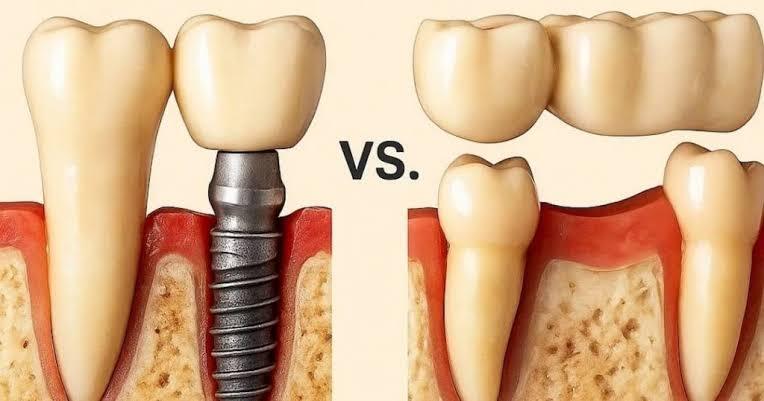
Dental crowns, bridges, and implant restorations serve different purposes. A crown covers and protects an existing tooth, a bridge replaces one or more missing teeth by connecting an artificial tooth to supporting teeth, and an implant restoration uses a dental implant to support a replacement tooth. Each option has benefits and limitations, so the right choice depends on your oral health, the condition of nearby teeth, and your long-term goals.
Understanding the differences can help you have a more informed conversation with your dentist. A professional evaluation allows you to explore suitable treatments and choose an approach that supports comfort, function, and lasting oral health.
Understanding Dental Crowns
A dental crown is a custom-made covering that fits over a damaged or weakened tooth. It restores the tooth’s shape, size, and strength while protecting the remaining structure. Crowns may be recommended when a tooth has extensive decay, a large filling, a fracture, or damage following root canal treatment.
Crowns can also improve the appearance of certain teeth with significant discoloration or irregular shapes. Depending on the clinical situation, they may be made from porcelain, ceramic, metal, or a combination of materials. Your dentist can explain which material offers an appropriate balance of durability, appearance, and function.
The process generally involves examining the tooth, preparing its surface, and taking impressions or digital scans. A custom crown is then created to fit your bite and surrounding teeth. Depending on the treatment approach, a temporary crown may protect the prepared tooth while the final restoration is being made.
A crown does not replace a missing tooth root. Instead, it preserves and restores a tooth that remains in place or covers an implant when used as part of implant treatment. Good brushing, daily cleaning between teeth, and regular dental visits help maintain the restoration and the surrounding tissues.
How Dental Bridges Replace Missing Teeth
A dental bridge replaces a missing tooth by placing an artificial tooth in the gap and supporting it with neighboring teeth or other suitable structures. Traditional bridges commonly use crowns fitted over adjacent teeth to hold the replacement tooth securely. Other bridge designs may be appropriate in specific clinical situations.
Bridges can restore chewing ability, improve the appearance of a smile, and help prevent neighboring teeth from drifting into an empty space. They are often considered when the teeth beside the gap can provide reliable support. The suitability of a bridge depends on the health, position, and strength of those supporting teeth.
Treatment typically involves preparing the supporting teeth, taking impressions or digital scans, and creating a restoration that fits the space. The dentist checks the bridge’s fit, bite, and appearance before final placement.
One consideration is that a traditional bridge usually requires altering the supporting teeth, even when those teeth are otherwise healthy. Bridges also need careful cleaning beneath the replacement tooth and around the supporting crowns. Your dentist can demonstrate appropriate cleaning methods to help protect the gums and reduce the risk of decay around the supporting teeth.
Exploring Implant-Supported Restorations
Dental implants provide another way to replace missing teeth. An implant is a small post, usually made of titanium, placed in the jawbone to act as an artificial tooth root. After healing and integration with the bone, it can support a crown, bridge, or another suitable restoration.
An implant-supported crown can replace an individual missing tooth without requiring the neighboring teeth to be prepared as bridge supports. For patients missing several teeth, implants may also support a larger restoration, depending on bone availability and the overall treatment plan.
Implant treatment involves several stages. The dentist evaluates the gums, jawbone, medical and dental history, and bite before deciding whether implants are appropriate. If treatment proceeds, implant placement is followed by a healing period. The final restoration is attached when the site is ready, according to the clinical plan.
Implants can offer stable support, but they are not suitable for everyone. Adequate bone, healthy gums, good oral hygiene, and the ability to attend follow-up appointments are important considerations. Some patients may need additional procedures before implant placement. Smoking and certain medical conditions can also affect healing, so your dentist should review relevant health information before recommending treatment.
Comparing Your Restoration Choices
When considering Crowns and Bridges VS Implant Restorations, start by identifying whether the tooth is damaged but still present or already missing. A crown may be appropriate when a natural tooth can be restored. A bridge may replace a gap using neighboring teeth for support, while an implant restoration can replace a tooth root and support a new tooth.
Treatment time is another factor. A crown or traditional bridge may often be completed over a shorter period than implant treatment, which generally includes surgery and healing. However, timelines depend on the complexity of the case, the materials used, and whether additional procedures are required.
Cost can vary with the number of teeth involved, restoration materials, preparatory treatment, and the complexity of the procedure. Rather than comparing prices alone, consider the health of nearby teeth, maintenance needs, expected function, and the condition of your jawbone and gums.
For a clearer understanding of Dental Crowns and Bridges vs Implants, ask your dentist to explain how each option applies to your specific circumstances. There is no single solution that works best for every patient. The most appropriate treatment is the one that meets your clinical needs while fitting your priorities and long-term oral health plan.
Protecting Your Restoration for the Long Term
Crowns, bridges, and implant restorations all require consistent care. Brush twice daily with fluoride toothpaste, clean between your teeth every day, and attend routine dental examinations. These habits help control plaque and allow your dentist to identify concerns before they become more serious.
Crowns can still develop problems if decay affects the underlying tooth or if the restoration becomes damaged. Bridges require special attention around supporting teeth and beneath the artificial tooth. Implant restorations need cleaning around the implant and regular professional monitoring because the surrounding tissues can become inflamed.
Avoid using your teeth to open packaging or bite hard objects. If you grind or clench your teeth, ask your dentist whether a protective night guard may be useful. Contact your dental office if a restoration feels loose, your bite changes, or you experience persistent pain or swelling.
Personalized Dental Care for Your Needs
Choosing a restoration is an important decision that should be based on a thorough examination rather than appearance alone. Dr. Daniel N. Giatrelis has more than 37 years of general dentistry experience and extensive training in cosmetic and aesthetic dentistry. His approach focuses on understanding each patient’s concerns, evaluating oral health, and explaining treatment choices in clear, practical terms.
During your consultation, your dentist can assess the affected tooth or missing space, review the condition of surrounding teeth and gums, and discuss suitable restorative options. You can also ask about treatment stages, expected maintenance, costs, and the advantages and limitations of each approach.
If you are still weighing Crowns and Bridges VS Implant Restorations, a personalized consultation can help clarify which options are clinically appropriate. Discussing your goals and concerns helps you make a decision with greater confidence and a clearer understanding of what treatment involves.
Frequently Asked Questions
Is a crown the same as a dental implant?
No. A crown covers a damaged tooth or attaches to an implant. A dental implant is placed in the jawbone to support a replacement tooth or other restoration.
Is a bridge better than an implant?
Neither option is always better. The choice depends on the health of nearby teeth, jawbone condition, treatment goals, overall health, and personal preferences.
How long do crowns and bridges last?
Their lifespan varies with the materials used, bite forces, oral hygiene, and the condition of supporting teeth. Regular dental visits and careful home care can help extend their service life.
Can anyone receive dental implants?
Not everyone is an immediate candidate. Your dentist must evaluate your gums, jawbone, medical history, and healing considerations to determine whether implants are appropriate.
How do I decide which treatment is right for me?
Schedule an examination to review the available options. Your dentist can explain the benefits, limitations, treatment time, and maintenance needs of each suitable restoration.
Schedule Your Dental Consultation
If damaged or missing teeth are affecting your comfort or confidence, professional guidance can help you understand your options. Schedule a consultation to discuss your concerns, evaluate your oral health, and explore a restoration plan designed around your needs. Take the next step toward a healthier, more functional smile.