

Protect Your Teeth With Regular Preventive Care
Maintaining a healthy smile requires consistent care at home and regular visits to your dentist. Brushing and flossing help control plaque, but some deposits can accumulate in areas that are difficult to reach. Over time, plaque can harden into tartar, increasing the risk of gum inflammation and other oral health concerns.
Dental prophylaxis is a preventive procedure designed to remove plaque, tartar, and certain surface stains from teeth. It helps support healthier gums, maintain oral cleanliness, and identify concerns that may need additional attention. Regular preventive appointments also give patients an opportunity to discuss their hygiene habits and receive guidance suited to their needs.
At the practice of Dr. Daniel N. Giatrelis, preventive dentistry supports a proactive approach to oral health, helping patients understand how routine care contributes to maintaining their natural teeth.
What Is a Professional Dental Cleaning?
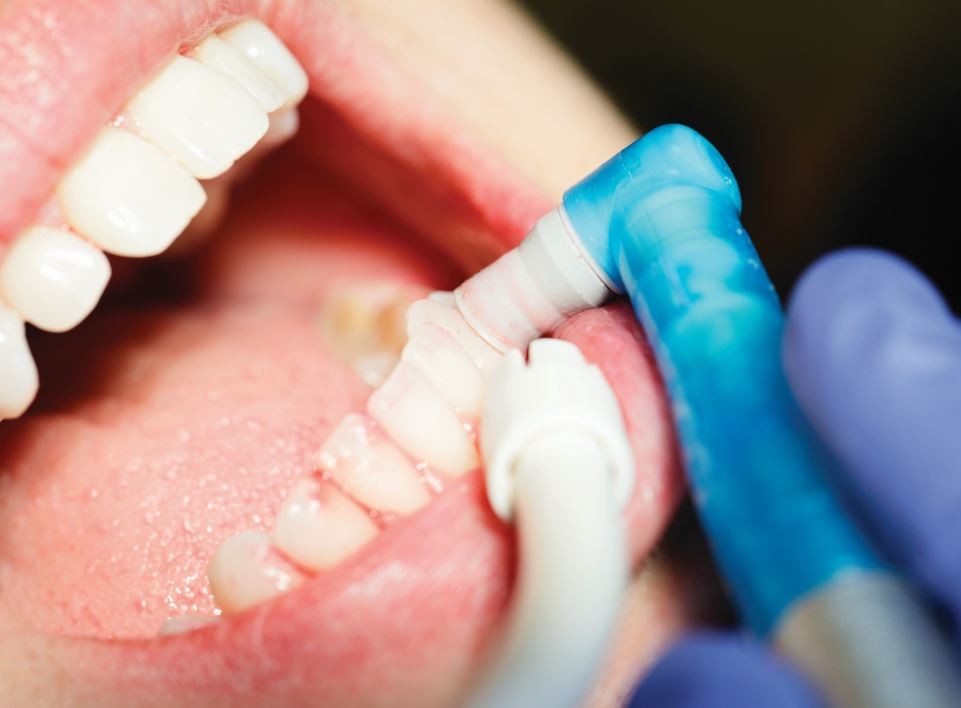
Dental Prophylaxis refers to a professional cleaning intended to maintain oral health and reduce the accumulation of harmful deposits. During the procedure, a dental professional removes plaque and tartar from tooth surfaces and around the gumline. The teeth may also be polished to help remove certain external stains.
Plaque is a sticky film containing bacteria that forms naturally on teeth. When it remains in place, minerals in saliva can harden it into tartar. Unlike soft plaque, tartar cannot generally be removed through ordinary brushing and flossing alone.
Professional cleaning reaches areas that everyday oral hygiene may miss. It also allows the dental team to observe gum condition, identify visible changes, and recommend further evaluation when necessary. Although cleaning is an important preventive measure, it does not replace examinations or treatment for existing dental disease.
Benefits of Routine Preventive Cleaning
Regular professional cleaning helps control plaque and tartar, which contribute to tooth decay and gum disease. Removing these deposits supports healthier gums and makes it easier to maintain an effective home care routine.
Another benefit is the opportunity to identify early signs of oral health problems. During a preventive visit, the dental professional may notice gum redness, bleeding, visible decay, damaged restorations, or other changes that deserve attention. Early evaluation can help patients understand their options before a concern becomes more complicated.
Cleaning can also remove some surface stains caused by coffee, tea, and other strongly colored foods and drinks. Although this is not the same as professional whitening, removing external deposits may leave teeth looking cleaner and feeling smoother.
Routine visits also reinforce good habits. Patients can receive practical advice on brushing technique, cleaning between teeth, choosing suitable oral care products, and managing factors that affect their dental health.
What Happens During Your Appointment?
A preventive cleaning appointment generally begins with an assessment of your teeth and gums. The dental professional reviews your oral health, discusses any symptoms, and determines whether additional evaluation is needed.
Next, plaque and tartar are removed using appropriate dental instruments. Particular attention is given to areas where deposits commonly collect, including along the gumline and between teeth. The method used depends on the amount and location of buildup.
After scaling, the teeth may be polished to reduce certain surface stains and leave the surfaces smooth. Your dental professional may also discuss flossing techniques, brushing habits, and other recommendations based on your needs.
Some patients experience mild sensitivity, especially when tartar buildup is substantial or the gums are inflamed. Let the dental team know if you have sensitive teeth or discomfort so the appointment can be adjusted where appropriate.
How Often Should You Schedule a Cleaning?
Many patients benefit from preventive cleanings every six months. However, the ideal schedule depends on individual oral health, plaque accumulation, gum condition, and risk factors.
People with a history of gum disease or recurring tartar buildup may require more frequent professional care. Others with stable oral health may follow a different schedule recommended by their dentist.
A Dental Prophylaxis Cleaning appointment provides an opportunity to review your current oral hygiene routine and determine an appropriate maintenance plan. Keeping appointments consistent helps your dental professional monitor changes and recommend adjustments when necessary.
If you notice persistent gum bleeding, swelling, bad breath, or tooth discomfort, do not wait for your next routine cleaning. These symptoms may require a separate examination and treatment beyond ordinary preventive care.
Maintaining Oral Health Between Visits
Professional cleaning works best when combined with daily oral hygiene. Brush twice a day using fluoride toothpaste, and clean between your teeth daily with floss or another suitable interdental cleaning tool. These habits help remove plaque before it hardens into tartar.
Limit frequent sugary snacks and drinks, as repeated sugar exposure increases the risk of tooth decay. Drinking water regularly can help rinse away food particles, while avoiding tobacco products supports better oral health.
Pay attention to changes in your mouth. Gum tenderness, persistent bleeding, unusual sensitivity, or changes around existing fillings should be discussed with your dentist. Regular examinations help assess concerns that cleaning alone cannot resolve.
A consistent routine supports the results of professional care and helps protect natural teeth over time.
Personalized Preventive Dentistry
Preventive care should reflect each patient’s needs rather than follow the same approach for everyone. Age, medical history, oral hygiene habits, previous dental treatment, and gum health can influence recommendations.
Dental Prophylaxis Cleaning can be an important part of a preventive plan, but some patients need additional procedures when gum disease or other conditions are present. Your dentist can explain the difference between a routine cleaning and more specialized treatment.
Dr. Daniel N. Giatrelis has more than 37 years of experience in general dentistry and enjoys treating patients of all ages. He graduated from Boston College and Tufts University School of Dental Medicine and has completed advanced dental study at the Dawson Dental Institute in Florida. His background also includes extensive training in cosmetic and aesthetic dentistry.
A patient-focused approach helps ensure that recommendations are clearly explained and that individuals understand how to maintain their oral health between visits.
Frequently Asked Questions
- Is preventive dental cleaning necessary if I brush daily?
Yes. Brushing and flossing help control plaque, but tartar that has already hardened generally requires professional removal.
- Does dental prophylaxis hurt?
Most routine cleanings cause little discomfort. Sensitive teeth or inflamed gums may cause tenderness, so tell your dental professional about any concerns.
- Can professional cleaning whiten my teeth?
Cleaning can remove certain external stains, but it does not bleach natural tooth color. Whitening treatments may be considered when additional color improvement is desired.
- How long does a cleaning appointment take?
The duration depends on the amount of buildup, gum condition, and whether an examination or additional services are needed.
- Is cleaning enough to treat gum disease?
Routine cleaning supports prevention, but established gum disease may require a different treatment approach based on its severity.
Schedule Your Preventive Dental Visit
Protecting your smile begins with regular care and informed decisions. Contact the dental practice to discuss your oral hygiene needs, arrange a preventive appointment, and receive personalized guidance for maintaining healthy teeth and gums.