

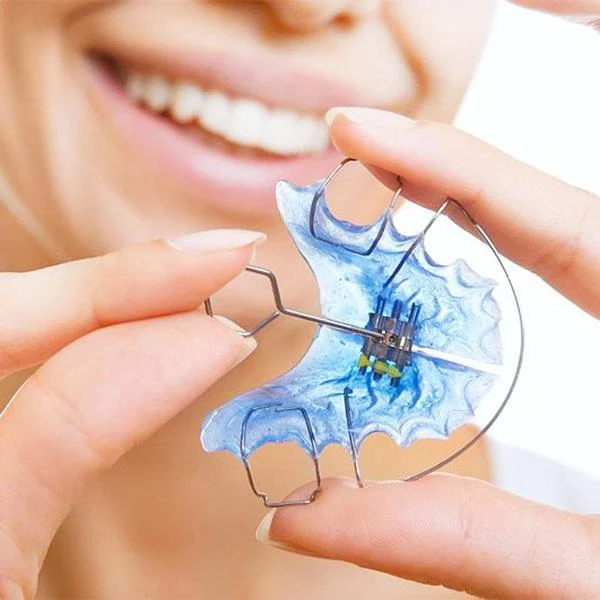
Replacing Missing Teeth With Personalized Care
Missing teeth can affect everyday activities, from enjoying your favorite meals to speaking clearly and smiling comfortably. Tooth loss may also change the way your remaining teeth fit together and affect the appearance of your face over time. Replacing missing teeth can help restore important oral functions and support your confidence.
Dentures are designed to replace missing teeth with artificial teeth attached to a supportive base. They can be made to replace several teeth or an entire arch, depending on your needs. Modern dental techniques allow dentures to be customized for fit, appearance, and comfort, helping patients find a suitable solution for their individual circumstances.
The right treatment depends on the number of missing teeth, the condition of your gums, your remaining natural teeth, and your preferences. A dental examination helps determine which replacement option may work best and whether any preparatory care is needed before treatment begins.
Understanding Your Tooth Replacement Choices
Dentures come in different forms to accommodate different patterns of tooth loss. Complete dentures replace all the teeth in the upper or lower arch, while partial dentures fill spaces when some natural teeth remain. Each design is intended to improve function and create a balanced appearance.
Complete dentures rest on the gum tissues and are shaped to fit the mouth. Their stability depends on factors such as the shape of the jaw, the condition of the tissues, and how well the denture fits. Over time, changes in the jawbone and gums can affect the fit, so periodic dental reviews are important.
Partial dentures use a base with artificial teeth to fill gaps between remaining natural teeth. Depending on the design, they may use clasps or other components to help maintain stability. They can restore the appearance of a more complete smile while helping patients chew more effectively.
Your dentist can explain the differences between available designs and help you understand the benefits and limitations of each. The goal is to select a restoration that meets your needs while supporting your long-term oral health.
How Custom Dentures Are Designed
A successful denture should fit comfortably, look natural, and provide useful support during everyday activities. The process begins with a dental examination to evaluate your mouth, gums, remaining teeth, and general oral health. Your dentist will also discuss your concerns, expectations, and previous experiences with tooth replacement.
Impressions or digital scans may be used to capture the shape of your mouth. These records help guide the creation of a denture that follows your oral anatomy. Your dentist may also consider the size, shape, and shade of the artificial teeth so the final result complements your facial features and natural appearance.
Depending on your needs, several appointments may be required to check the fit, bite, and appearance. Adjustments can improve comfort and help reduce pressure points. Once the denture is ready, your dentist can explain how to insert, remove, clean, and store it correctly.
It is normal to need an adjustment period when wearing a new denture. Speaking and chewing may initially feel different, and certain foods may require extra care. Following professional instructions and attending recommended follow-up visits can help you adapt more comfortably.
Benefits of a Removable Solution
A Removable dental restoration can be taken out for cleaning and maintenance. This design gives patients direct access to the appliance and makes it easier to clean areas that might otherwise be difficult to reach. It can also offer a practical tooth replacement option for people who are not suitable candidates for certain fixed treatments.
Replacing missing teeth may improve chewing, support clearer speech, and help restore the appearance of your smile. Dentures can also provide support for the lips and cheeks, depending on the degree of tooth loss and the design of the appliance.
Another benefit is flexibility. Partial and complete dentures can be designed around different dental needs, and adjustments or replacement may be possible as the mouth changes. For some patients, dentures may also serve as an alternative when implant treatment is not preferred or is not clinically appropriate.
However, dentures do not function exactly like natural teeth. They may move slightly during eating or speaking, particularly if the fit changes. They also require consistent cleaning and professional monitoring. Your dentist can explain what to expect and help you decide whether this type of restoration fits your lifestyle.
Caring for Your Dentures Every Day
Daily care helps keep your denture clean, comfortable, and in good condition. Remove and clean the appliance according to your dentist’s instructions. Use a denture brush and an appropriate cleaner rather than ordinary toothpaste, which may be too abrasive for some denture materials.
Clean your gums, tongue, palate, and any remaining natural teeth every day. Maintaining healthy tissues is important even when you wear complete dentures. If you have partial dentures, pay particular attention to cleaning around the supporting natural teeth to help reduce plaque buildup and the risk of decay or gum disease.
Many dentures need to be removed overnight to allow the oral tissues to rest, unless your dentist gives you different instructions for a specific clinical reason. Store the appliance as directed so it does not dry out or become damaged.
Avoid bending clasps, using household adhesives, or trying to repair a cracked denture yourself. Improvised repairs may damage the appliance or affect its fit. If your denture becomes loose, causes sore spots, or breaks, contact your dental office for advice. Regular reviews help identify changes before they lead to more significant discomfort.
When Adjustments or Replacement May Be Needed
The shape of your mouth can change after tooth loss, even after your denture has been made. Changes in the jawbone and gum tissues may gradually make the appliance less stable. You might notice slipping, difficulty chewing, irritation, or changes in how the denture meets your opposing teeth.
These symptoms should not be ignored. An ill-fitting denture can create sore areas and make eating uncomfortable. Your dentist can evaluate whether an adjustment, relining, repair, or replacement is appropriate. The right solution depends on the condition of the appliance and the changes in your mouth.
Avoid relying on adhesive products to compensate for a persistently poor fit without seeking professional advice. Adhesives may help in certain situations, but they do not replace an examination when discomfort or movement continues.
With consistent care and regular dental appointments, your denture can be monitored to help maintain its function. Professional guidance also helps ensure that remaining teeth and oral tissues receive appropriate attention.
Personalized Dental Guidance for Your Smile
Dr. Daniel N. Giatrelis has more than 37 years of experience in general dentistry and enjoys treating patients of all ages. His dental background includes advanced study at the Dawson Dental Institute and extensive training in cosmetic and aesthetic dentistry. This experience supports a patient-focused approach to discussing tooth replacement, appearance, comfort, and function.
During your appointment, your dentist can assess your oral health, explain suitable options, and help you understand the steps involved in treatment. You can discuss concerns about fit, eating, speaking, appearance, and ongoing maintenance before making a decision.
If you are considering Removable Dentures, a consultation can help determine which design may suit your needs. Your dentist can also explain whether additional treatment is needed and how to care for your restoration once it is fitted. Personalized guidance helps you make an informed choice based on your oral health and everyday priorities.
Frequently Asked Questions
What are dentures used for?
Dentures replace missing teeth and can help improve chewing, speech, and the appearance of your smile. They may replace several teeth or a full arch, depending on your needs.
Are dentures comfortable to wear?
Comfort depends on the design, fit, and condition of your mouth. An adjustment period is common, and your dentist can make changes if the appliance creates pressure or sore spots.
How should I clean my dentures?
Clean the appliance daily with a denture brush and suitable cleaner. Also clean your gums, tongue, palate, and remaining natural teeth as directed by your dentist.
How often should dentures be checked?
Regular dental visits are important because your mouth and the appliance can change over time. Your dentist can recommend an appropriate review schedule and assess whether adjustments are needed.
Can dentures replace all my teeth?
Yes. Complete dentures are designed to replace all teeth in an upper or lower arch. Your dentist can evaluate your mouth and discuss whether complete dentures or another option is suitable.
Schedule Your Dental Consultation
Missing teeth do not have to prevent you from enjoying everyday activities with confidence. Schedule a consultation to discuss your tooth replacement needs, explore suitable denture designs, and receive guidance on fit, care, and maintenance. Take a practical step toward a comfortable smile and improved daily function.