

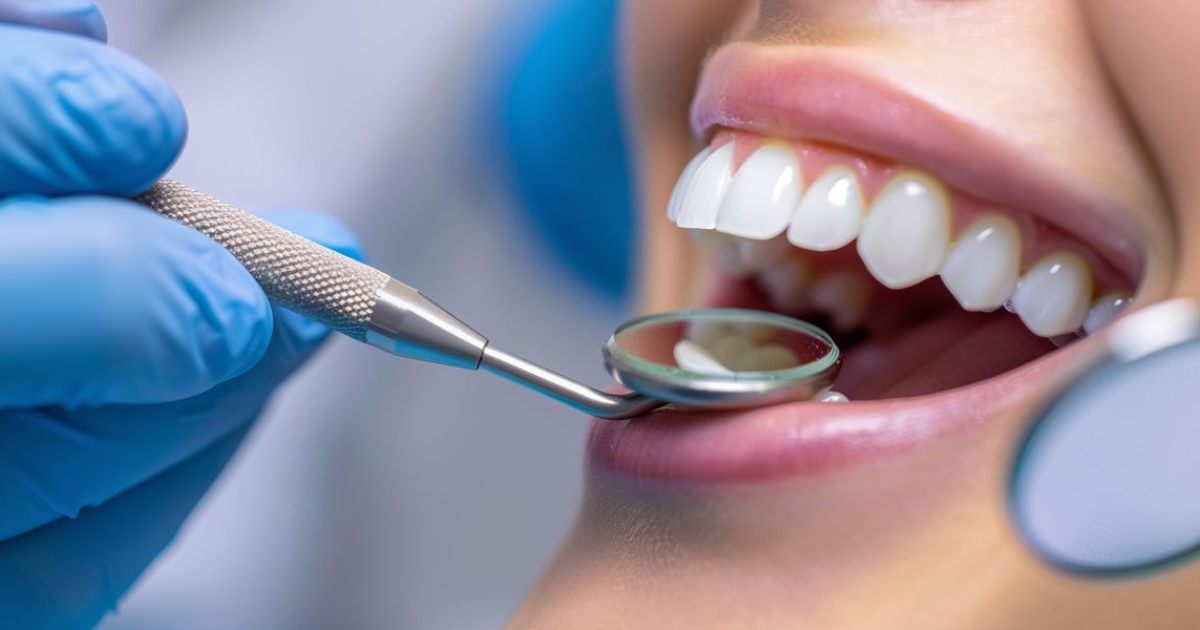
Finding a dentist who understands your family’s changing needs can make maintaining oral health easier. Children need guidance as their teeth develop, adults benefit from preventive examinations and timely treatment, and older family members may require additional attention to existing dental work. Choosing a family dentist Melrose MA residents can consult for ongoing care helps families establish consistent habits and address dental concerns as they arise.
Family dentistry focuses on prevention, education, diagnosis, and treatment for patients at different stages of life. Although each person requires an individual approach, having a familiar dental practice can simplify appointment planning and help family members feel more comfortable discussing their concerns.
What Does Family Dentistry Include?
Family dentistry generally covers routine oral examinations, professional cleanings, preventive guidance, and common restorative treatments. The exact services available depend on the dental practice and each patient’s needs.
A family dentist can assess the condition of teeth and gums, identify potential problems, and recommend appropriate treatment. These visits also provide opportunities to discuss oral hygiene habits, dietary choices, tooth sensitivity, and changes in dental health.
For families seeking family dentistry near Melrose, understanding the practice’s services, appointment arrangements, and approach to patients of different ages can help them choose suitable ongoing care.
Dental Care for Children
Building Healthy Habits Early
Children benefit from learning how to brush, clean between their teeth when appropriate, and understand the importance of regular dental visits. Early appointments can also help them become familiar with the dental environment before they experience a significant problem.
Parents can encourage healthy habits by supervising brushing, choosing age-appropriate oral care products, and limiting frequent sugary snacks and drinks. A dentist can provide guidance suited to a child’s development and individual risk of tooth decay.
Monitoring Growing Smiles
As children grow, their primary teeth are gradually replaced by permanent teeth. Regular examinations allow a dentist to monitor this transition and identify concerns that may require further assessment.
Depending on a child’s needs, preventive options such as fluoride treatments or dental sealants may be discussed. These treatments are not identical for every child, so recommendations should follow a professional evaluation.
Preventive Care for Adults
Adults can develop cavities, gum disease, tooth wear, and other oral health problems even when they brush regularly. Dental examinations and professional cleanings help monitor oral health and identify issues that may not be obvious at home.
A dentist may also review existing fillings, crowns, or other restorations to determine whether they remain in good condition. If a problem is identified, early evaluation can help clarify treatment options before the damage progresses.
Patients should mention symptoms such as bleeding gums, persistent bad breath, sensitivity, or discomfort when chewing. These signs deserve attention rather than being treated as unavoidable parts of daily life.
Supporting Older Adults’ Dental Health
Dental needs can change with age. Some older adults have crowns, bridges, dentures, or other restorations that require regular monitoring. Others experience dry mouth, gum recession, or difficulties cleaning their teeth because of changes in mobility or dexterity.
A dentist can review these concerns and suggest practical adjustments to daily oral care. Patients taking medications should mention them during appointments because certain medicines can contribute to dry mouth.
Maintaining natural teeth, keeping restorations clean, and arranging timely assessments can help support comfort and everyday function.
How to Choose a Family Dentist in Melrose
When comparing dental practices, consider more than location alone. Look for clear communication, appropriate services, convenient appointment arrangements, and a professional approach to preventive care.
Useful questions include:
- Does the practice treat the age groups in your family?
- Which preventive and restorative services are available?
- How are treatment recommendations explained?
- Can family members coordinate appointments where scheduling permits?
- What payment methods and insurance arrangements should patients confirm?
It is also helpful to discuss dental anxiety, previous treatment experiences, and any accessibility needs before an appointment.
Making Dental Visits Part of Your Routine
Consistency is easier when dental appointments become part of your family’s regular schedule. Keep track of recommended visits, encourage children to follow daily brushing routines, and address new symptoms promptly.
At home, brush twice daily with fluoride toothpaste and clean between teeth every day. Choose balanced meals and limit frequent exposure to sugary foods and drinks. These habits complement professional care rather than replacing it.
If someone in your household experiences pain or a damaged tooth, contact a dental professional for advice instead of waiting for the next routine checkup.
Frequently Asked Questions
When should children first visit a dentist?
Children should generally have their first dental visit by their first birthday or within six months of their first tooth appearing. A dentist can then advise on an appropriate follow-up schedule.
Can one family dentist care for adults and children?
Many family dental practices provide care for multiple age groups. Confirm the practice’s age range and available services before booking.
How often should my family have dental checkups?
The recommended interval depends on each person’s oral health, risk factors, and treatment history. Follow the schedule advised by your dental professional.
What if a family member feels nervous about dental treatment?
Tell the dental team before the appointment. Discussing concerns and asking for explanations can help you understand what to expect.
What should I bring to a first appointment?
Bring relevant medical and dental history, a current medication list, and insurance information if applicable. Ask the practice about registration forms and payment arrangements.
Arrange Your Family’s Dental Care
A consistent dental routine can help every family member understand and manage their oral health. If you are searching for a family dentist Melrose MA, contact Dr. Daniel N. Giatrelis’s practice to ask about available services, appointments, and care for your household’s needs. A conversation with the office can help you determine whether its services and scheduling arrangements are suitable for your family.