Cosmetic Dentistry Melrose MA: Understanding Your Smile Enhancement Options

A smile can be an important part of how you express yourself, but concerns about stained, chipped, uneven, or worn teeth may affect your confidence. Cosmetic dentistry offers several approaches to improving the appearance of teeth while considering oral health and function. If you are exploring cosmetic dentistry Melrose MA, understanding common procedures can help you prepare for a consultation and decide which concerns you would like to address.

Cosmetic dental treatment should begin with an assessment of your teeth and gums, followed by a discussion of realistic goals. Not every patient needs the same procedure, and a conservative option may be sufficient to address a particular concern.

What Is Cosmetic Dentistry?

Cosmetic dentistry focuses on improving the visible appearance of teeth and smiles. Depending on individual needs, treatment may address discoloration, minor gaps, uneven edges, tooth shape, or damaged restorations.

Some procedures primarily improve appearance, while others provide both aesthetic and restorative benefits. For example, a crown may protect a weakened tooth while restoring its shape and visible appearance.

A dentist should evaluate your oral health before recommending cosmetic treatment. Cavities, gum disease, and other underlying concerns may need attention first to support an appropriate treatment plan.

Popular Cosmetic Dental Procedures in Melrose

Professional Teeth Whitening

Teeth can become stained through aging and exposure to drinks such as coffee and tea. Tobacco and certain foods may also contribute to discoloration.

Professional whitening may lighten suitable stains on natural teeth. A dentist can assess the cause of discoloration and discuss an appropriate treatment method, expected results, and potential sensitivity.

Existing crowns, fillings, veneers, and bridges do not generally whiten like natural enamel. Patients with visible restorations should discuss shade matching before treatment to avoid unwanted differences in color.

Dental Bonding

Dental bonding uses tooth-colored composite material to repair or reshape selected areas of a tooth. It may be suitable for small chips, minor gaps, or uneven edges.

The procedure can offer a conservative option in appropriate cases. However, bonding material can stain, chip, or wear over time, and repairs may be needed.

A dental assessment helps determine whether bonding can achieve the desired result or whether another treatment would be more suitable.

Porcelain Veneers

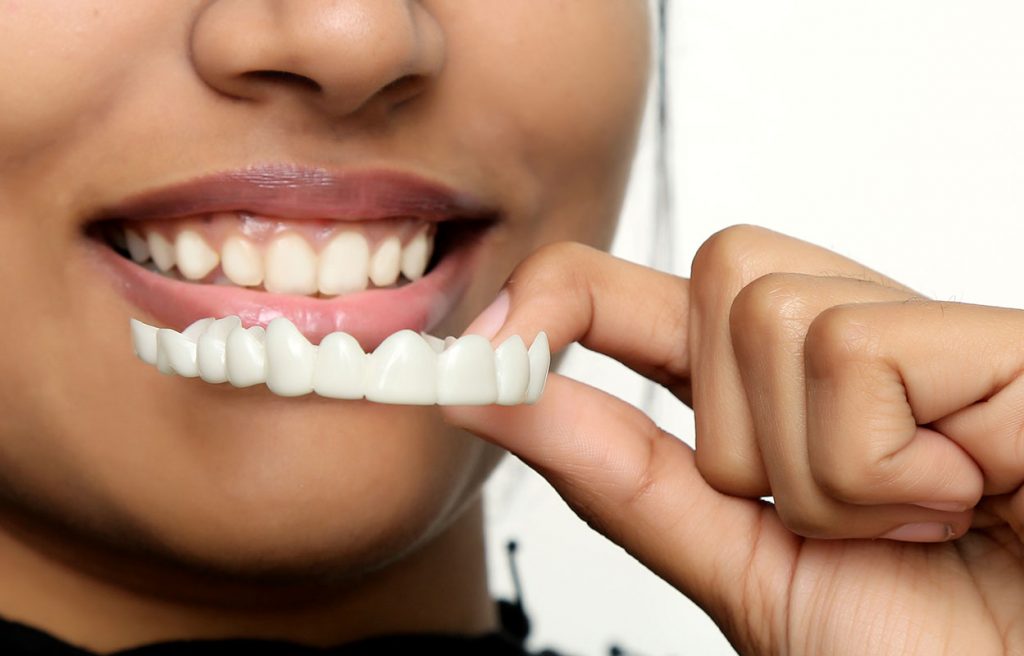
Veneers are thin coverings attached to the front surfaces of selected teeth. They may improve the appearance of certain stains, uneven shapes, or small spacing concerns.

Treatment requires careful planning because some veneer procedures involve removing enamel, which does not grow back. Your dentist should explain the preparation involved, maintenance requirements, potential risks, and alternatives before treatment begins.

Crowns and Tooth-Colored Restorations

Crowns may be recommended for teeth that require substantial protection or restoration. Tooth-colored fillings can repair selected areas of decay or minor damage while blending with the surrounding tooth.

Although these treatments can improve appearance, the clinical condition of the tooth should guide the recommendation. Your dentist can explain whether a filling, crown, veneer, or another approach is appropriate.

Cosmetic Dental Procedures in Melrose: Choosing the Right Option

Cosmetic dental procedures Melrose patients consider should reflect their individual concerns, dental health, and expectations. Start by identifying what you would like to improve, such as staining, uneven edges, or the appearance of an existing restoration.

During a consultation, ask about the expected outcome, treatment duration, possible discomfort, long-term maintenance, and total cost. It is also helpful to understand whether the procedure is reversible and whether it may require future repair or replacement.

The most extensive treatment is not automatically the best choice. Where appropriate, a simpler approach may achieve the desired improvement while preserving more natural tooth structure.

Why Oral Health Comes First

Healthy gums and stable teeth provide an important foundation for cosmetic treatment. If a patient has untreated decay, gum inflammation, or another dental problem, the dentist may recommend addressing it before beginning aesthetic procedures.

This approach allows the dental team to consider the health of the teeth and surrounding tissues alongside the desired appearance.

Patients should also mention sensitivity, teeth grinding, jaw discomfort, or previous dental work. These factors may influence the choice of procedure and the precautions needed to protect the results.

Maintaining Cosmetic Dental Results

After treatment, daily oral hygiene and regular dental care remain essential. Brush twice daily with fluoride toothpaste and clean between your teeth every day. Follow any procedure-specific aftercare instructions from your dentist.

Avoid biting hard objects, chewing ice, or using your teeth to open packaging. If you grind your teeth, ask whether a protective night guard may be appropriate.

Different procedures have different maintenance requirements. Whitening results can fade, bonding may require repair, and crowns or veneers need ongoing monitoring. Contact your dentist if a restoration becomes damaged, loose, or uncomfortable.

Frequently Asked Questions

What cosmetic dentistry treatments are available?

Common options include whitening, bonding, veneers, and selected restorative procedures. Availability varies by practice, and suitability depends on your oral health.

Is cosmetic dentistry suitable for everyone?

Not every procedure is suitable for every patient. Your dentist should assess your teeth, gums, and treatment goals before making a recommendation.

Can cosmetic dentistry fix chipped teeth?

Depending on the extent of the damage, bonding, contouring, veneers, or crowns may be considered. A professional examination helps determine the appropriate approach.

How long do cosmetic dental results last?

Longevity varies by procedure, material, oral hygiene, and personal habits. Your dentist can explain the expected maintenance and potential need for repairs.

Is cosmetic dentistry painful?

Comfort varies by procedure. Some treatments require little intervention, while others may involve tooth preparation and local anesthesia.

Explore Cosmetic Dentistry Options in Melrose

Improving your smile begins with understanding your concerns and learning which treatments may be suitable. If you are researching cosmetic dentistry Melrose MA, contact Dr. Daniel N. Giatrelis’s practice to ask about currently available cosmetic services and consultation arrangements. Discussing your goals, oral health, and treatment alternatives can help you make an informed decision about your next step.
Teeth Whitening Melrose MA: Explore Your Options for a Brighter Smile

A bright smile can help you feel more comfortable in social and professional situations. However, teeth naturally change color over time, and everyday habits can contribute to noticeable staining. Coffee, tea, certain foods, tobacco, and aging may all affect the appearance of your teeth. If you are researching teeth whitening Melrose MA, understanding the available options can help you make an informed decision about improving your smile.

Teeth whitening is designed to lighten suitable stains on natural teeth. The most appropriate approach depends on the cause of discoloration, your dental health, and your expectations. A dental consultation can help determine whether whitening is suitable and explain what results you can realistically expect.

What Causes Teeth to Become Discolored?

Tooth discoloration can develop for several reasons. Surface stains often occur when pigments from foods and drinks accumulate on enamel. Coffee, tea, red wine, and tobacco are common contributors.

Other changes occur within the tooth. Aging can gradually affect the appearance of enamel and the underlying dentin. Certain medications, dental injuries, and developmental factors may also cause discoloration that does not respond as readily to ordinary whitening products.

Understanding the cause matters because different types of staining require different approaches. A professional assessment can help determine whether whitening, cleaning, restorative treatment, or another option is appropriate.

What Is Professional Teeth Whitening?

Professional teeth whitening Melrose patients consider typically involves dental products formulated to lighten the color of natural teeth. Depending on the practice and treatment plan, whitening may be performed in a dental office or through a dentist-supervised home treatment.

Professional guidance helps determine whether the teeth and gums are healthy enough for whitening. It also provides an opportunity to discuss sensitivity, existing restorations, and the expected degree of improvement.

Whitening is not a substitute for treating cavities, gum disease, or damaged teeth. These concerns should be evaluated before cosmetic treatment begins.

Professional Whitening Versus Store-Bought Products

Dentist-Supervised Whitening

A dentist can assess your oral health, discuss the type of discoloration, and recommend a suitable whitening approach. Some professional treatments are completed in the office, while others involve customized trays and instructions for use at home.

The appropriate option depends on your dental condition, treatment preferences, and the available services. Follow the prescribed instructions carefully, as using whitening products too frequently can increase sensitivity or irritate the gums.

Over-the-Counter Whitening Products

Whitening strips, toothpastes, and other retail products vary in their ingredients and effectiveness. Some toothpastes mainly remove surface stains rather than significantly changing the underlying tooth color.

Read product directions carefully and avoid combining multiple whitening treatments without professional advice. Products that are unsuitable for your teeth may cause discomfort or damage if misused.

Who May Benefit From Teeth Whitening?

Whitening may be suitable for adults with healthy teeth and gums who want to reduce certain types of discoloration. However, results vary depending on the cause and severity of the stains.

Existing crowns, veneers, fillings, and bridges do not whiten like natural enamel. This can create differences in shade if surrounding teeth become lighter. If you have visible restorations, discuss color matching with your dentist before beginning treatment.

People with untreated cavities, gum inflammation, significant sensitivity, or certain types of intrinsic discoloration may need an alternative approach. Your dental professional can explain the options after examining your teeth.

What to Expect During a Whitening Consultation

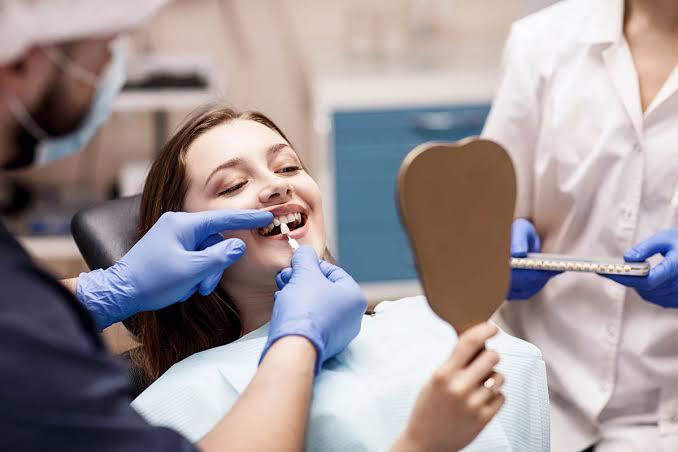
During a consultation, the dentist reviews your dental history and examines your teeth and gums. You can explain which teeth concern you, whether discoloration affects the whole smile, and what kind of result you hope to achieve.

The dentist may recommend professional cleaning first if surface deposits contribute to the discoloration. You can then discuss whitening options, expected treatment time, potential sensitivity, costs, and maintenance.

Ask whether your existing dental work may affect the final appearance. Understanding these factors before treatment helps you avoid unrealistic expectations.

How to Maintain a Brighter Smile

Whitening results can gradually fade, particularly when habits that contribute to staining continue. Maintaining good oral hygiene can help keep your smile looking clean.

  • Brush twice daily with fluoride toothpaste.
  • Clean between your teeth every day.
  • Drink water regularly, especially after meals.
  • Limit frequent exposure to staining drinks and tobacco.
  • Attend regular dental examinations and cleanings.
  • Follow professional instructions before repeating whitening treatment.

Avoid unverified home remedies or abrasive substances that claim to whiten teeth rapidly. Some methods can wear down enamel or irritate oral tissues.

Frequently Asked Questions

How long does professional teeth whitening take?

Treatment time depends on the method used. Some procedures are completed in a dental office, while dentist-supervised home treatments may take longer.

Does teeth whitening cause sensitivity?

Temporary sensitivity can occur. Tell your dentist if you already have sensitive teeth so the treatment plan can account for your needs.

Will whitening work on crowns or fillings?

Whitening products generally affect natural teeth, not the color of existing restorations. Your dentist can discuss options for maintaining a consistent shade.

Is professional whitening better than whitening toothpaste?

They serve different purposes. Toothpaste may help remove surface stains, while professional treatments are designed to lighten suitable natural teeth more noticeably.

How often should I whiten my teeth?

There is no single schedule suitable for everyone. Follow product instructions and seek dental advice before repeating treatment.

Explore Teeth Whitening Options in Melrose

If you want to improve the appearance of your smile, a dental consultation can help you understand the safest and most suitable options. Contact Dr. Daniel N. Giatrelis’s practice to ask whether teeth whitening is currently available and which treatments may suit your needs. Discussing your goals, dental health, and expectations first can help you make an informed decision about a brighter smile.

Cosmetic Dentist Melrose MA: Options for a More Confident Smile

Your smile is part of how you express yourself, but concerns about stained, chipped, uneven, or worn teeth can sometimes affect your confidence. Cosmetic dentistry offers different approaches to improving the appearance of teeth while taking oral health and function into account. If you are researching a cosmetic dentist Melrose MA, learning about common procedures can help you prepare questions and understand which options might suit your goals.

Cosmetic treatment should begin with a careful assessment rather than an assumption that every smile needs extensive work. The right approach depends on the condition of your teeth, your expectations, and the potential benefits and limitations of each procedure.

What Is Cosmetic Dentistry?

Cosmetic dentistry focuses on improving visible features of the teeth and smile. Depending on the patient’s needs, treatment may address discoloration, tooth shape, minor gaps, chips, or damaged restorations.

Some procedures primarily improve appearance, while others combine aesthetic and restorative purposes. For example, a crown may protect a weakened tooth while also improving its visible shape.

Before treatment, a dentist should evaluate your teeth and gums, discuss your priorities, and explain whether any underlying problems need attention first.

Cosmetic Dentistry Services in Melrose

Patients exploring cosmetic dentistry services Melrose may encounter several treatment options. Their suitability varies according to dental health, tooth structure, and the desired result.

Professional Teeth Whitening

Natural teeth can become discolored through aging, dietary habits, and exposure to drinks such as coffee and tea. Professional whitening may lighten suitable stains and improve the appearance of natural enamel.

A dental assessment can help identify the likely cause of discoloration and determine whether whitening is appropriate. Some stains respond differently from others, and crowns, fillings, and veneers generally do not whiten like natural teeth.

Ask about expected results, possible sensitivity, and how to maintain the improvement. Follow professional instructions rather than using whitening products more frequently than recommended.

Dental Bonding

Bonding uses tooth-colored composite material to repair selected imperfections. It may be considered for small chips, minor gaps, or irregular edges.

The procedure can be a relatively conservative option in suitable cases. However, bonding material may stain, chip, or wear over time, so maintenance and occasional repair may be necessary.

Your dentist can explain whether bonding is likely to meet your expectations or whether another treatment would provide a more appropriate result.

Porcelain Veneers

Veneers are thin coverings attached to the front surfaces of selected teeth. They may be used to change the appearance of certain stains, uneven shapes, or small spacing concerns.

Veneer treatment requires careful planning. Depending on the technique, some enamel may need to be removed, and that change may be irreversible. Discuss tooth preparation, durability, maintenance, and alternatives before making a decision.

Crowns and Tooth-Colored Restorations

Crowns may be recommended when a tooth needs more extensive protection or restoration. Tooth-colored fillings can repair selected areas of decay or damage while blending with the surrounding tooth.

These treatments may improve appearance, but their primary purpose should be based on the tooth’s clinical needs. A dentist can explain the available materials and why a particular restoration may be suitable.

Choosing the Right Treatment

The best cosmetic procedure is not necessarily the most expensive or extensive. Start by identifying what bothers you about your smile and discuss your priorities during a consultation.

Consider asking:

  • What results are realistic for my teeth?
  • Are there less invasive alternatives?
  • Will treatment affect healthy enamel?
  • How long might the results last?
  • What maintenance or future repairs could be required?
  • What are the total costs and payment arrangements?

These questions can help you compare options and understand the long-term commitment associated with treatment.

Why Oral Health Comes First

Healthy gums and stable teeth provide an important foundation for cosmetic procedures. Untreated cavities, gum disease, or other oral health concerns may need attention before aesthetic treatment begins.

A dental examination helps identify these issues and determine the appropriate order of care. Addressing underlying problems first can support better treatment planning and reduce the risk of complications.

Patients should also explain any tooth sensitivity, clenching, or grinding habits. These factors may influence the selection and maintenance of cosmetic restorations.

Maintaining Your Smile After Treatment

Cosmetic dental work still requires everyday care. Brush twice daily with fluoride toothpaste, clean between your teeth, and attend dental examinations at the intervals recommended for you.

Avoid biting hard objects and using your teeth to open packages. If you grind your teeth, ask whether a night guard may help protect your natural teeth and restorations.

Whitening, bonding, veneers, and crowns have different maintenance requirements. Follow the instructions provided for your specific procedure and seek professional advice if a restoration becomes loose, damaged, or uncomfortable.

Frequently Asked Questions

Is cosmetic dentistry only about appearance?

Not always. Some treatments improve appearance while also restoring damaged teeth. The purpose depends on the procedure and the patient’s needs.

Does teeth whitening work on crowns?

Whitening generally affects natural teeth rather than the color of existing crowns or fillings. Discuss shade matching with your dentist before treatment.

Are veneers permanent?

Veneer treatment may involve irreversible enamel removal. Ask your dentist about preparation, alternatives, and long-term maintenance before proceeding.

Can bonding repair a chipped tooth?

Bonding may repair selected minor chips. Larger fractures or structurally weakened teeth may require a different treatment.

How do I get started with cosmetic dentistry?

Arrange a consultation, explain your concerns, and ask about suitable treatments, risks, costs, and realistic results.

Explore Your Cosmetic Dental Options

If you want to improve the appearance of your smile, a professional assessment can help you understand the available choices. Contact Dr. Daniel N. Giatrelis’s practice to ask about cosmetic dentist Melrose MA services, including the cosmetic treatments currently offered. Discussing your goals and oral health together can help you decide on a practical next step without committing to treatment before you understand your options.

Dr Daniel Cosmetic Dentist Melrose: Explore Your Smile Enhancement Options

A confident smile can make everyday interactions feel more comfortable, from meeting new people to speaking during professional events. However, chipped teeth, discoloration, uneven edges, or small gaps can sometimes make people feel hesitant about smiling. Cosmetic dentistry offers options for addressing these concerns while considering the health, function, and natural appearance of your teeth. If you are exploring a Dr Daniel cosmetic dentist Melrose search, understanding available treatments can help you prepare for an informed dental consultation.

Cosmetic dental care is not about making every smile look identical. It is about exploring suitable improvements based on individual preferences, existing dental conditions, and realistic treatment goals.

What Is Cosmetic Dentistry?

Cosmetic dentistry focuses on improving the appearance of teeth and smiles. Depending on a patient’s needs, treatment may address tooth color, shape, spacing, or visible damage. Some procedures also provide restorative benefits by strengthening or repairing affected teeth.

Before recommending treatment, a dentist should evaluate your teeth and gums, discuss your concerns, and explain the available options. This assessment helps determine whether a cosmetic procedure is appropriate or whether an underlying dental problem needs attention first.

Cosmetic Dental Treatments in Melrose

Several cosmetic dental treatments Melrose patients may explore can address different smile concerns. The most appropriate option depends on the condition of the teeth, the desired result, and the dentist’s clinical assessment.

Professional Teeth Whitening

Teeth can become stained over time through exposure to coffee, tea, certain foods, tobacco, and natural aging. Professional whitening may help reduce suitable stains and brighten the appearance of natural teeth.

A dental assessment can help identify the likely cause of discoloration and establish whether whitening is appropriate. Existing crowns, veneers, and fillings do not respond to whitening products in the same way as natural enamel, so patients with dental restorations may need additional guidance.

Porcelain Veneers

Veneers are thin coverings placed on the front surfaces of selected teeth. Depending on the case, they may improve the appearance of discoloration, small gaps, uneven shapes, or certain minor imperfections.

Veneers require careful planning because tooth preparation may involve removing some enamel. A dentist can explain the benefits, limitations, maintenance requirements, and alternatives before treatment begins.

Cosmetic Dental Bonding

Dental bonding uses tooth-colored composite material to repair or reshape selected areas of a tooth. It may be appropriate for minor chips, small gaps, or uneven edges.

Bonding can offer a conservative approach for suitable cases, although the material may stain or wear over time. Good oral hygiene and regular dental examinations help maintain the restoration.

Tooth Contouring and Reshaping

Minor differences in tooth length or edge shape can sometimes be addressed through careful contouring. This procedure involves removing a small amount of enamel to adjust the outline of a tooth.

It is suitable only for specific concerns because enamel cannot grow back. A dentist must assess tooth structure and bite alignment before recommending this option.

Tooth-Colored Fillings and Crowns

When teeth have decay, cracks, or more substantial structural damage, restorative treatments may improve both appearance and function. Tooth-colored fillings can repair selected areas, while crowns may protect teeth that require more extensive coverage.

The correct treatment depends on the amount of remaining healthy tooth structure and the underlying dental problem.

Benefits of Personalized Cosmetic Dental Care

Cosmetic dentistry can help patients address visible concerns that affect their confidence. Treatment may also support the appearance of existing restorative work when appropriately planned.

Potential benefits include:

  • A brighter-looking smile through suitable whitening treatments.
  • Improved tooth shape and symmetry.
  • Repair of selected chips and minor imperfections.
  • Better coordination between visible restorations and natural teeth.
  • A treatment plan designed around individual needs and preferences.

Results vary by procedure, oral health, and individual circumstances. A consultation provides an opportunity to understand what a treatment can realistically achieve.

How to Prepare for a Cosmetic Dentistry Consultation

Start by identifying the features of your smile you would like to improve. You might be concerned about staining, uneven edges, visible gaps, or older restorations. Sharing these priorities helps your dentist understand your expectations.

The dentist will assess your oral health and may recommend treating cavities or gum problems before cosmetic work begins. You can also ask about treatment duration, maintenance, expected results, possible sensitivity, and costs.

It is useful to discuss alternatives rather than assuming that the most extensive procedure will produce the best outcome. In some cases, a simple treatment may address the concern effectively.

Maintaining Your Results

Daily brushing with fluoride toothpaste, cleaning between your teeth, and attending regular dental appointments help protect your oral health after cosmetic treatment. Avoid using your teeth to open packaging, and ask your dentist whether a protective night guard may be appropriate if you grind your teeth.

Follow any procedure-specific aftercare instructions. Whitening results, bonding, veneers, and crowns have different maintenance requirements, so your dentist can explain how to care for your particular treatment.

Frequently Asked Questions

Is cosmetic dentistry suitable for everyone?

Not every procedure is appropriate for every patient. Your dentist should evaluate your oral health, tooth structure, and treatment goals before recommending an option.

How do I choose the right cosmetic treatment?

The choice depends on your specific concern, budget, dental health, and desired outcome. A professional assessment can help you compare suitable treatments.

Can cosmetic dentistry repair chipped teeth?

Depending on the size and location of a chip, bonding, contouring, veneers, or a crown may be considered. The extent of the damage determines which approach is appropriate.

Does cosmetic dental treatment hurt?

Comfort levels vary by procedure. Some treatments require little or no anesthesia, while others may require local anesthesia. Your dentist can explain what to expect.

How can I maintain cosmetic dental results?

Brush and floss consistently, attend regular checkups, follow aftercare instructions, and avoid habits that may damage your teeth or restorations.

Take the Next Step Toward a Confident Smile

If you are considering cosmetic dental care in Melrose, start with a consultation to discuss your concerns and understand your options. Dr. Daniel Giatrelis can be contacted through the practice’s verified appointment channels to ask about suitable services, treatment planning, and next steps. A personalized approach helps you make informed decisions while keeping your oral health a priority.

Newsletter

Sign Up For Our Newsletter To Get Up to Date From Us