

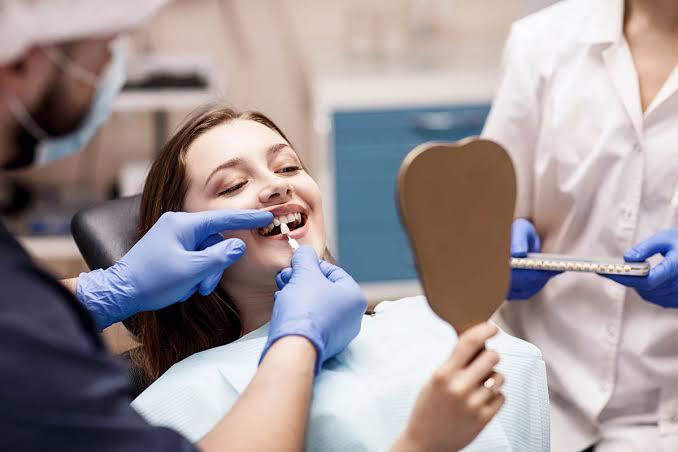
A bright smile can help you feel more comfortable in social and professional situations. However, teeth naturally change color over time, and everyday habits can contribute to noticeable staining. Coffee, tea, certain foods, tobacco, and aging may all affect the appearance of your teeth. If you are researching teeth whitening Melrose MA, understanding the available options can help you make an informed decision about improving your smile.
Teeth whitening is designed to lighten suitable stains on natural teeth. The most appropriate approach depends on the cause of discoloration, your dental health, and your expectations. A dental consultation can help determine whether whitening is suitable and explain what results you can realistically expect.
What Causes Teeth to Become Discolored?
Tooth discoloration can develop for several reasons. Surface stains often occur when pigments from foods and drinks accumulate on enamel. Coffee, tea, red wine, and tobacco are common contributors.
Other changes occur within the tooth. Aging can gradually affect the appearance of enamel and the underlying dentin. Certain medications, dental injuries, and developmental factors may also cause discoloration that does not respond as readily to ordinary whitening products.
Understanding the cause matters because different types of staining require different approaches. A professional assessment can help determine whether whitening, cleaning, restorative treatment, or another option is appropriate.
What Is Professional Teeth Whitening?
Professional teeth whitening Melrose patients consider typically involves dental products formulated to lighten the color of natural teeth. Depending on the practice and treatment plan, whitening may be performed in a dental office or through a dentist-supervised home treatment.
Professional guidance helps determine whether the teeth and gums are healthy enough for whitening. It also provides an opportunity to discuss sensitivity, existing restorations, and the expected degree of improvement.
Whitening is not a substitute for treating cavities, gum disease, or damaged teeth. These concerns should be evaluated before cosmetic treatment begins.
Professional Whitening Versus Store-Bought Products
Dentist-Supervised Whitening
A dentist can assess your oral health, discuss the type of discoloration, and recommend a suitable whitening approach. Some professional treatments are completed in the office, while others involve customized trays and instructions for use at home.
The appropriate option depends on your dental condition, treatment preferences, and the available services. Follow the prescribed instructions carefully, as using whitening products too frequently can increase sensitivity or irritate the gums.
Over-the-Counter Whitening Products
Whitening strips, toothpastes, and other retail products vary in their ingredients and effectiveness. Some toothpastes mainly remove surface stains rather than significantly changing the underlying tooth color.
Read product directions carefully and avoid combining multiple whitening treatments without professional advice. Products that are unsuitable for your teeth may cause discomfort or damage if misused.
Who May Benefit From Teeth Whitening?
Whitening may be suitable for adults with healthy teeth and gums who want to reduce certain types of discoloration. However, results vary depending on the cause and severity of the stains.
Existing crowns, veneers, fillings, and bridges do not whiten like natural enamel. This can create differences in shade if surrounding teeth become lighter. If you have visible restorations, discuss color matching with your dentist before beginning treatment.
People with untreated cavities, gum inflammation, significant sensitivity, or certain types of intrinsic discoloration may need an alternative approach. Your dental professional can explain the options after examining your teeth.
What to Expect During a Whitening Consultation
During a consultation, the dentist reviews your dental history and examines your teeth and gums. You can explain which teeth concern you, whether discoloration affects the whole smile, and what kind of result you hope to achieve.
The dentist may recommend professional cleaning first if surface deposits contribute to the discoloration. You can then discuss whitening options, expected treatment time, potential sensitivity, costs, and maintenance.
Ask whether your existing dental work may affect the final appearance. Understanding these factors before treatment helps you avoid unrealistic expectations.
How to Maintain a Brighter Smile
Whitening results can gradually fade, particularly when habits that contribute to staining continue. Maintaining good oral hygiene can help keep your smile looking clean.
- Brush twice daily with fluoride toothpaste.
- Clean between your teeth every day.
- Drink water regularly, especially after meals.
- Limit frequent exposure to staining drinks and tobacco.
- Attend regular dental examinations and cleanings.
- Follow professional instructions before repeating whitening treatment.
Avoid unverified home remedies or abrasive substances that claim to whiten teeth rapidly. Some methods can wear down enamel or irritate oral tissues.
Frequently Asked Questions
How long does professional teeth whitening take?
Treatment time depends on the method used. Some procedures are completed in a dental office, while dentist-supervised home treatments may take longer.
Does teeth whitening cause sensitivity?
Temporary sensitivity can occur. Tell your dentist if you already have sensitive teeth so the treatment plan can account for your needs.
Will whitening work on crowns or fillings?
Whitening products generally affect natural teeth, not the color of existing restorations. Your dentist can discuss options for maintaining a consistent shade.
Is professional whitening better than whitening toothpaste?
They serve different purposes. Toothpaste may help remove surface stains, while professional treatments are designed to lighten suitable natural teeth more noticeably.
How often should I whiten my teeth?
There is no single schedule suitable for everyone. Follow product instructions and seek dental advice before repeating treatment.
Explore Teeth Whitening Options in Melrose
If you want to improve the appearance of your smile, a dental consultation can help you understand the safest and most suitable options. Contact Dr. Daniel N. Giatrelis’s practice to ask whether teeth whitening is currently available and which treatments may suit your needs. Discussing your goals, dental health, and expectations first can help you make an informed decision about a brighter smile.