

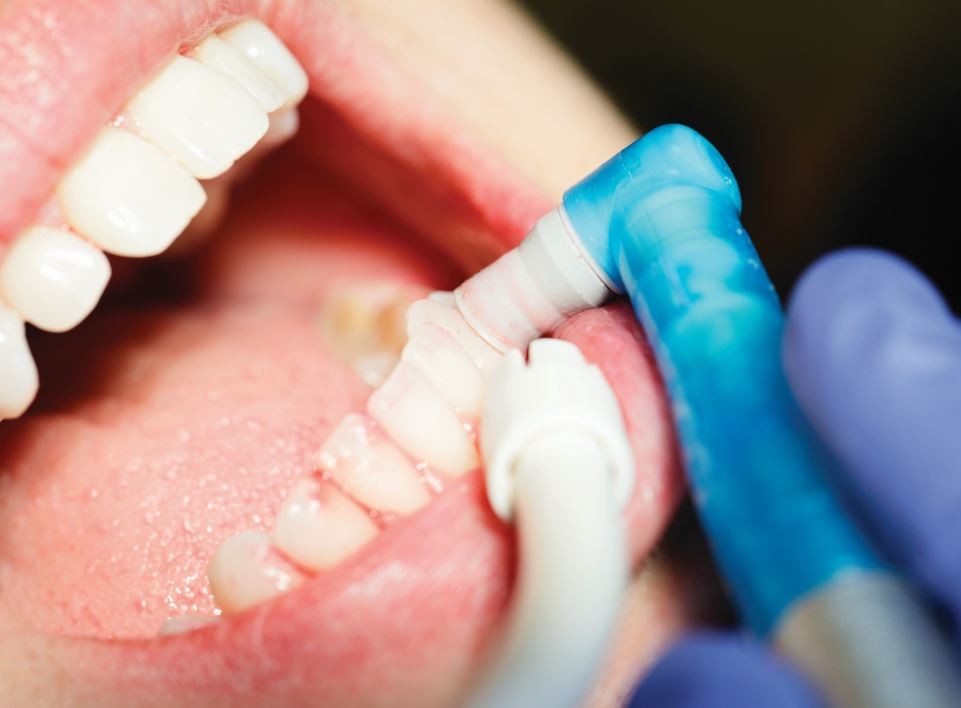
A damaged or weakened tooth can affect more than the appearance of your smile. It may also cause discomfort when chewing, sensitivity, or concern about further damage. Dental crowns are one option dentists use to restore teeth that need additional protection. If you are researching dental crowns Melrose MA, understanding how crowns work and when they may be recommended can help you prepare for a dental consultation.
A crown is a restoration designed to cover a tooth and restore its shape, strength, and appearance. Whether you need one depends on the condition of the tooth, the amount of healthy structure remaining, and your overall oral health.
What Is a Dental Crown?
A dental crown is a custom-made covering placed over a prepared tooth. It can help protect a weakened tooth, restore a damaged chewing surface, or improve the appearance of a tooth that cannot be adequately repaired with a simpler restoration.
Crowns may be recommended for teeth with extensive decay, significant fractures, large existing fillings, or certain teeth following root canal treatment. They can also form part of a broader restorative plan.
A crown does not eliminate the need for good oral hygiene. The tooth and surrounding gum tissue still require daily care and regular professional monitoring.
When Might You Need a Dental Crown?
Extensive Tooth Decay
When decay affects a large portion of a tooth, a filling alone may not provide sufficient support. After the affected tissue is treated, a crown may be recommended to cover and protect the remaining tooth structure.
The decision depends on the extent of damage and whether enough healthy tooth remains to support the restoration.
Cracked or Weakened Teeth
A tooth with a substantial crack or weakened walls may be at risk of further damage during chewing. A crown can sometimes help protect the remaining structure, depending on the location and severity of the crack.
Not every cracked tooth can be saved with a crown. Your dentist will assess the damage and explain whether another treatment is more appropriate.
Following Root Canal Treatment
Some teeth require additional protection after root canal treatment, particularly when significant tooth structure has been lost. A crown may be recommended to restore strength and reduce the risk of fracture.
The need for a crown depends on which tooth was treated and its remaining structure.
Dental Crown Restoration in Melrose
Dental crown restoration Melrose patients consider generally begins with an examination and treatment plan. The dentist evaluates the tooth, reviews any relevant imaging, and discusses the expected benefits, limitations, and alternatives.
If a crown is appropriate, the tooth is prepared to create space for the restoration. Impressions or digital scans are used to help create a crown that fits the prepared tooth and aligns with the bite.
A temporary crown may be placed while the final restoration is being made, depending on the treatment process. At a subsequent appointment, the dentist checks the final crown’s fit, contact with nearby teeth, and bite before securing it.
The exact process and number of visits depend on the clinical situation and the technology available at the practice.
What Materials Are Used for Crowns?
Dental crowns can be made from several materials, including ceramic, porcelain-based materials, metal, or combinations of materials. Each has different properties.
Tooth-colored crowns may be selected when a natural appearance is important. Certain materials offer particular strength for specific teeth, while others may be considered based on bite forces, space, and aesthetic requirements.
There is no universally best crown material. Your dentist can explain which options are suitable for the tooth being treated and how they compare in appearance, durability, and cost.
Benefits and Limitations of Dental Crowns
A properly planned crown can help restore a tooth’s shape and chewing function while protecting weakened structure. It may also improve the appearance of a tooth that has significant damage or discoloration.
However, crown treatment involves preparing the tooth, and some preparation may be irreversible. Crowns can also chip, loosen, wear, or develop problems at the margins over time.
Ask your dentist about the expected lifespan of the proposed restoration, possible complications, and whether a more conservative alternative could work in your case.
Caring for a Crown
A crown needs the same consistent attention as natural teeth. Brush twice daily with fluoride toothpaste and clean between the teeth every day, paying attention to the gumline around the restoration.
Avoid chewing ice or using your teeth to open packages. If you grind or clench your teeth, ask whether a protective night guard may be appropriate.
Contact your dentist if a crown becomes loose, cracks, feels unusually high when you bite, or causes persistent discomfort. Do not attempt to glue it in place with household adhesives.
Frequently Asked Questions
Does getting a dental crown hurt?
The procedure is generally performed with local anesthesia to manage discomfort during tooth preparation. Some temporary sensitivity may occur afterward.
How long does a dental crown last?
Longevity varies with the material, bite forces, oral hygiene, and other factors. Regular dental visits help monitor the condition of the restoration.
Can a crowned tooth still develop decay?
Yes. The crown itself does not decay, but the natural tooth around its margins can develop decay if plaque accumulates.
Is a crown better than a filling?
That depends on the amount of remaining tooth structure and the type of damage. A filling may be suitable for smaller defects, while a crown may be needed for more extensive damage.
What should I do if my crown comes loose?
Contact your dentist promptly for instructions and avoid chewing on that side. Do not use household glue to reattach the crown.
Discuss Your Tooth Restoration Options
A damaged tooth deserves an assessment to determine the most appropriate way to restore its function and protect the remaining structure. If you are looking into dental crowns Melrose MA, contact Dr. Daniel N. Giatrelis’s practice to ask about crown treatment, available materials, and appointment arrangements. A consultation can help clarify whether a crown or another restorative option is suitable for your needs.