

Missing a tooth can affect the way you chew, speak, and feel about your smile. Depending on the location of the gap, it may also influence how your remaining teeth meet when you bite. Dental bridges are one restorative option for replacing missing teeth and helping restore everyday oral function. If you are exploring dental bridges Melrose MA, learning about their design, benefits, and maintenance can help you prepare for a consultation.
A dental bridge replaces one or more missing teeth by supporting an artificial tooth from neighboring teeth or, in certain designs, dental implants. The right option depends on the condition of your remaining teeth, the health of your gums, and your individual treatment goals.
What Is a Dental Bridge?
A dental bridge is a fixed dental restoration designed to fill a gap left by missing teeth. A traditional bridge generally uses crowns placed on supporting teeth, with an artificial tooth occupying the gap.
Other bridge designs may use different support arrangements, depending on the location of the missing tooth and the patient’s dental condition. An implant-supported bridge uses dental implants rather than relying solely on neighboring natural teeth.
Unlike a removable partial denture, a fixed bridge is designed to remain in place during normal use. However, it still requires regular cleaning and professional monitoring.
Why Might You Need a Dental Bridge?
Restoring Chewing Function
Missing teeth can make chewing certain foods difficult or uncomfortable. A bridge may help restore the ability to bite and chew more effectively, depending on the location and number of teeth being replaced.
The dentist must consider the forces placed on the restoration and whether the supporting teeth can handle them.
Improving Smile Appearance
A visible gap may affect how a person feels about smiling. A bridge can fill the space with an artificial tooth designed to coordinate with the surrounding teeth.
Shade, shape, and alignment are important considerations when planning the restoration. Your dentist can discuss the expected appearance and limitations before treatment begins.
Supporting Dental Function
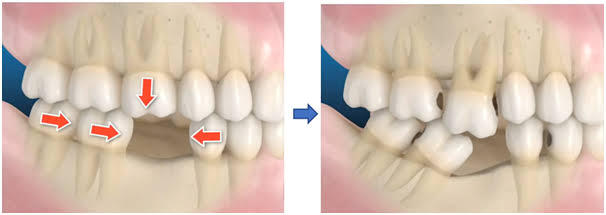
The loss of a tooth can change how nearby teeth contact one another. In some situations, remaining teeth may shift over time, although the effects vary between individuals.
Replacing a missing tooth may help maintain a more functional arrangement. However, a bridge is not appropriate for every gap, and treatment planning should consider the overall bite and long-term oral health.
Tooth Replacement Bridges in Melrose
Tooth replacement bridges Melrose patients consider usually begin with an examination of the gap and the surrounding teeth. The dentist evaluates the condition of potential supporting teeth, checks gum health, and discusses alternative treatments.
For a traditional bridge, supporting teeth may need to be prepared to receive crowns. Impressions or digital scans help create a restoration designed to fit the space. A temporary restoration may be used while the final bridge is being made.
At the fitting appointment, the dentist checks the bridge’s fit, appearance, and bite before securing it. The exact process depends on the type of bridge and the clinical circumstances.
What Are the Alternatives to a Dental Bridge?
A bridge is one of several ways to replace missing teeth. Depending on your needs, a dentist may also discuss dental implants or removable partial dentures.
Dental Implants
An implant is placed in the jawbone and can support a crown or part of a larger restoration. Implant treatment involves surgical considerations, healing time, and assessment of bone and gum health.
It may be suitable for some patients, but not everyone is an appropriate candidate.
Removable Partial Dentures
A removable partial denture can replace one or more missing teeth and may be considered when a fixed restoration is unsuitable or when a removable option better fits the patient’s circumstances.
Each approach has different maintenance requirements, costs, and clinical considerations. Discussing the alternatives helps you make an informed decision rather than assuming a bridge is automatically the best choice.
Caring for Your Dental Bridge
Good oral hygiene is essential for protecting the supporting teeth and surrounding gums. Brush twice daily with fluoride toothpaste and clean carefully around the bridge.
Because an artificial tooth can create an area where food and plaque collect, ordinary flossing may not be sufficient by itself. Your dentist or hygienist can demonstrate suitable tools, such as floss threaders or interdental brushes, for cleaning beneath the bridge.
Attend regular dental examinations so the restoration and supporting tissues can be monitored. Contact your dentist if the bridge feels loose, causes pain, or becomes damaged.
Avoid chewing hard objects and ask about protective measures if you grind your teeth.
Is a Dental Bridge Right for You?
The suitability of a bridge depends on several factors, including the number of missing teeth, the health of neighboring teeth, gum condition, bite forces, and budget.
A dentist can explain whether supporting teeth are strong enough for a traditional bridge or whether another restoration may be preferable. You should also ask about preparation requirements, expected maintenance, possible complications, and the total cost of treatment.
A personalized assessment is important because two patients with similar-looking gaps may need different solutions.
Frequently Asked Questions
How long does a dental bridge last?
Longevity varies according to the materials, supporting teeth, bite forces, and oral hygiene. Regular dental care helps monitor its condition.
Is getting a dental bridge painful?
Local anesthesia is generally used when natural teeth require preparation. Some temporary sensitivity may occur after treatment.
Can a bridge replace more than one tooth?
Certain bridge designs can replace multiple missing teeth, depending on the available support and clinical circumstances.
How do I clean beneath a dental bridge?
Specialized flossing tools or interdental brushes may help clean beneath the artificial tooth. Ask your dental professional to demonstrate the correct technique.
Is a bridge better than an implant?
Neither option is best for everyone. Suitability depends on oral health, supporting teeth, bone condition, treatment preferences, and cost.
Explore Tooth Replacement Options in Melrose
Replacing a missing tooth can help restore everyday dental function and improve the appearance of your smile. If you are researching dental bridges Melrose MA, contact Dr. Daniel N. Giatrelis’s practice to ask about available tooth replacement services and consultation arrangements. Discussing bridges alongside other suitable options can help you understand the benefits, limitations, and maintenance requirements before choosing a treatment plan.