Restorative Dentistry Melrose MA: Repairing and Rebuilding Your Smile

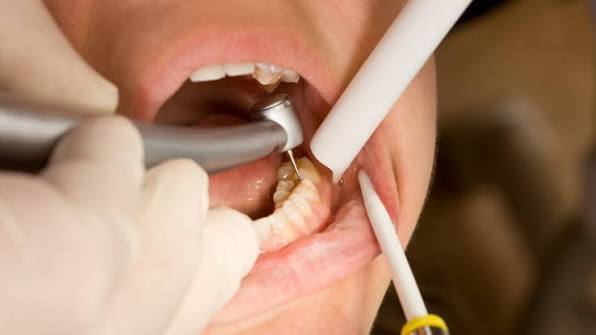
Tooth decay, fractures, worn restorations, and missing teeth can affect everyday activities such as eating, speaking, and smiling. Restorative dentistry focuses on repairing damaged teeth and replacing missing ones when appropriate. If you are researching restorative dentistry Melrose MA, understanding the available treatments can help you prepare for a consultation and discuss the best approach for your oral health.

Restorative treatment is not the same for every patient. The appropriate procedure depends on the extent of damage, the condition of surrounding teeth and gums, and the function that needs to be restored. A professional assessment helps identify the underlying problem and establish realistic treatment goals.

What Is Restorative Dentistry?

Restorative dentistry involves treatments intended to repair damaged teeth or replace missing teeth. The aim is to restore oral function, protect remaining tooth structure where possible, and improve the comfort and appearance of the smile.

Common restorative procedures include fillings, crowns, bridges, and certain implant-supported restorations. Root canal treatment may also form part of a restorative plan when the tissue inside a tooth becomes infected or severely inflamed.

Not every treatment is appropriate for every patient. Your dentist should explain the diagnosis, proposed procedure, expected benefits, limitations, and alternatives before treatment begins.

Dental Fillings for Cavities

Tooth decay can gradually weaken enamel and damage the underlying tooth structure. When the affected area is suitable for a filling, the dentist removes the decayed tissue and restores the space with an appropriate material.

Composite fillings are tooth-colored and may be selected when a natural appearance is important. Other materials may be considered depending on the tooth’s location, the size of the cavity, and clinical needs.

Early assessment can help determine whether a filling is sufficient. If damage affects a larger portion of the tooth, a crown or another restoration may be necessary to provide additional protection.

Dental Crowns for Damaged Teeth

A crown is a custom-made covering that restores the shape and function of a tooth. It may be recommended when a tooth has extensive decay, a substantial fracture, or weakened structure following certain treatments.

The dentist evaluates the remaining tooth before deciding whether a crown is appropriate. Treatment may involve preparing the tooth, taking impressions or digital scans, and fitting the completed restoration.

Crowns can help protect weakened teeth, but they require ongoing care. Brushing, cleaning between teeth, and attending regular dental examinations remain important for maintaining the restoration and surrounding tissues.

Dental Bridges for Missing Teeth

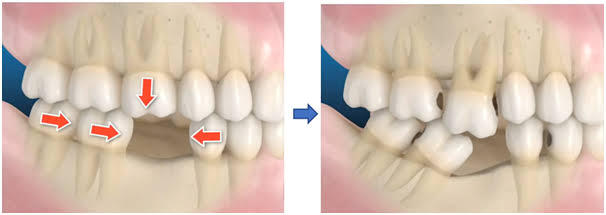
Missing teeth can affect chewing and may influence how the remaining teeth meet. A dental bridge is one option for replacing a gap with an artificial tooth supported by neighboring teeth or, in some designs, dental implants.

The suitability of a bridge depends on the health of its supporting structures and the location of the missing tooth. A dentist can discuss whether a traditional bridge, implant-supported restoration, removable appliance, or another option is appropriate.

Patients should understand the maintenance requirements of each alternative. Cleaning beneath a bridge may require specialized tools, and supporting teeth need regular monitoring.

Dental Implants and Restorative Treatment

Dental implants can support replacement teeth in selected patients. The treatment plan may involve an implant-supported crown for a single missing tooth or a bridge designed to replace several teeth.

Implant treatment requires careful assessment of bone, gum health, medical history, and other factors. Healing time and additional procedures may influence the overall timeline.

An implant is not automatically the best solution for every missing tooth. Your dentist can explain the advantages, risks, costs, and alternatives so you can compare options based on your needs.

Restorative Dental Treatments in Melrose

Restorative dental treatments Melrose patients consider should begin with a clear diagnosis. During an appointment, the dentist reviews your symptoms and dental history, examines the affected area, and may recommend imaging when clinically appropriate.

Once the problem is identified, you can discuss treatment options and the order in which procedures should be completed. For example, infection or gum disease may need attention before a final restoration is placed.

Ask about treatment duration, expected costs, maintenance, and potential complications. Understanding the plan helps you make informed decisions and prepare for follow-up appointments.

How to Protect Restored Teeth

Restorations repair damage, but they do not remove the need for preventive care. Natural tooth structure around fillings and crowns can still develop decay, and the gums supporting bridges or implants can develop disease.

Brush twice daily with fluoride toothpaste and clean between your teeth every day. Avoid chewing hard objects, and ask your dentist about protection if you grind your teeth.

Contact your dental professional if a restoration becomes loose, breaks, or causes persistent discomfort. Early assessment can help determine whether adjustment or further treatment is needed.

Frequently Asked Questions

What procedures fall under restorative dentistry?

Common examples include fillings, crowns, bridges, and implant-supported restorations. Treatment depends on the condition being addressed and the services available.

Can restorative dentistry save a damaged tooth?

Some damaged teeth can be repaired and preserved, but the outcome depends on the extent of damage and the tooth’s overall condition.

Is a crown always necessary after a root canal?

Not every tooth requires the same restoration. Your dentist will assess the remaining structure and recommend suitable protection.

What is the difference between a bridge and an implant?

A traditional bridge generally relies on supporting teeth, while an implant-supported restoration attaches to implants placed in the jawbone.

How do I maintain dental restorations?

Follow good oral hygiene habits, attend regular examinations, and seek advice promptly if a restoration becomes damaged or uncomfortable.

Explore Restorative Dentistry Options in Melrose

Repairing damaged teeth and replacing missing ones can help restore important aspects of daily oral function. If you are researching restorative dentistry Melrose MA, contact Dr. Daniel N. Giatrelis’s practice to ask about available restorative services and consultation arrangements. A dental assessment can help identify the cause of your concern and clarify which treatments may be suitable for your situation.
Dentures Dentist Melrose MA: Understanding Your

Missing several teeth or an entire arch can affect chewing, speech, and confidence. Dentures offer a way to replace missing teeth and restore important aspects of everyday oral function. Whether you are considering dentures for the first time or need help with an existing appliance, understanding the available options can help you prepare for a dental consultation. If you are searching for a dentures dentist Melrose MA, learning about denture types, fitting, and maintenance is a useful starting point.

Dentures are removable appliances designed to replace missing teeth and, where appropriate, associated gum tissue. The right design depends on how many teeth are missing, the condition of your mouth, and your individual needs.

What Are Dentures?

Dentures are custom-made appliances that replace missing teeth. They can help improve chewing, support clearer speech, and restore the appearance of a smile. Dentures also need to fit the mouth properly to provide reasonable comfort and stability.

The two broad categories are complete dentures and partial dentures. Complete dentures replace all teeth in an upper or lower arch, while partial dentures replace selected missing teeth when some natural teeth remain.

Your dentist can explain which option may suit your situation and whether other tooth replacement treatments should also be considered.

Types of Removable Dentures in Melrose

Complete Dentures

Complete dentures are designed for people who have lost all natural teeth in an upper or lower arch. They are shaped to fit the mouth and are supported by the surrounding oral tissues.

Fit and stability can vary with the shape of the jaw, changes in the gums, and other individual factors. Your dentist can assess the mouth and discuss what to expect during the adjustment period.

Partial Dentures

Partial dentures replace some missing teeth while working around the natural teeth that remain. Depending on the design, they may use clasps or other components to help maintain retention.

The condition of the remaining teeth and gums is important when planning a partial denture. Keeping those teeth healthy and maintaining good appliance hygiene can help support the overall result.

Immediate Dentures

In some situations, an immediate denture is prepared before natural teeth are removed and inserted around the time of extraction. This may help avoid a period without replacement teeth, but the fit can change as the mouth heals.

Adjustments or a later replacement may be needed. Your dentist can explain whether this approach is appropriate and what follow-up care it involves.

What to Expect During Denture Treatment

The process usually begins with an examination and a discussion of your goals. Your dentist reviews the condition of your mouth, any remaining teeth, and relevant medical history before recommending a treatment plan.

Impressions or digital scans may be taken to help create an appliance that fits your mouth. Depending on the denture type, appointments may involve checking the fit, bite, appearance, and comfort before the final appliance is completed.

New dentures can feel unfamiliar at first. You may need time to adapt to speaking and eating, and follow-up appointments can help address pressure spots or looseness. Do not try to reshape or repair dentures yourself.

Are Dentures the Only Option?

Dentures are one approach to replacing missing teeth, but other options may be suitable in certain circumstances.

Dental bridges can replace selected gaps using supporting teeth or implants, while implant-supported restorations use dental implants to help retain or support replacement teeth. These options differ in cost, treatment time, maintenance, and clinical requirements.

A dental assessment can help you compare the benefits and limitations of removable dentures and other alternatives. The best option depends on your oral health, preferences, budget, and suitability for treatment.

Caring for Removable Dentures

Daily cleaning helps keep dentures in good condition and supports oral hygiene. Follow the care instructions provided for your particular appliance.

  • Clean your dentures daily using a suitable denture brush and recommended cleanser.
  • Handle the appliance carefully to reduce the risk of breakage.
  • Remove and store dentures as instructed by your dental professional.
  • Clean your gums, tongue, and any remaining natural teeth every day.
  • Attend dental appointments to monitor fit and oral health.

Avoid using hot water or household cleaning products that may damage the appliance. If your dentures become loose, cracked, or uncomfortable, arrange a professional assessment.

When Should Dentures Be Adjusted?

Changes in the gums and jaw can affect denture fit over time. An appliance that once felt secure may begin to move, rub, or make chewing more difficult.

Persistent sore spots, difficulty speaking, and repeated slipping are reasons to contact your dentist. Adhesives may help some people when used appropriately, but they do not replace an assessment of a poorly fitting denture.

Regular reviews can help determine whether an adjustment, reline, repair, or replacement is appropriate.

Frequently Asked Questions

How long does it take to get dentures?

The timeline depends on the type of denture, the condition of your mouth, and whether extractions or healing are required.

Will new dentures feel uncomfortable?

Some adjustment is common, but persistent pain or sores should be assessed. Your dentist may need to adjust the fit.

Can I sleep with my dentures?

Many patients are advised to remove conventional dentures overnight to allow the oral tissues to rest. Follow your dentist’s specific instructions.

How often should dentures be replaced?

Replacement timing varies with wear, fit, and changes in the mouth. Regular dental reviews help determine when an appliance needs attention.

Can dentures improve chewing?

Dentures can restore some chewing function, although they may not perform exactly like natural teeth. Adaptation and appropriate fitting are important.

Discuss Your Denture Options in Melrose

Choosing dentures involves more than selecting replacement teeth. Proper assessment, fitting, adjustment, and ongoing care all contribute to comfort and function. If you are looking for a dentures dentist Melrose MA, contact Dr. Daniel N. Giatrelis’s practice to ask whether denture consultations and related services are currently available. A professional evaluation can help you understand suitable options for replacing missing teeth and maintaining oral health.

Implant Restoration Melrose MA: Completing Your Dental Implant Treatment

Missing teeth can affect chewing, speech, and confidence. Dental implants offer one option for replacing missing teeth, but successful treatment involves more than placing an implant in the jawbone. The restoration attached to the implant also needs careful planning, an appropriate fit, and ongoing maintenance. If you are exploring implant restoration Melrose MA, understanding this stage of treatment can help you prepare for a dental consultation.

Implant restoration focuses on replacing the visible portion of a missing tooth or teeth using a restoration supported by a dental implant. Depending on the case, this may involve a single crown, a bridge, or another prosthetic design. The appropriate solution depends on your oral health, bone condition, treatment history, and functional needs.

What Is Dental Implant Restoration?

A dental implant is a small fixture placed in the jawbone to support a replacement tooth. After the implant has healed and integrated with the surrounding bone, a restorative component can be attached to replace the missing tooth’s visible portion.

The restoration may consist of a crown for one missing tooth or a larger prosthesis designed to replace several teeth. An implant-supported bridge may be considered when multiple adjacent teeth are missing.

The implant and restoration serve different purposes. The implant provides support within the jaw, while the restoration restores the visible shape and chewing surface. Both require professional monitoring to help maintain function and oral health.

When Is Implant Restoration Needed?

Replacing a Single Missing Tooth

A single implant may support an individual crown designed to resemble a natural tooth. This can be an option for patients who need to replace one missing tooth and meet the clinical requirements for implant treatment.

The dentist evaluates the available bone, gum health, bite, and surrounding teeth before recommending the restoration. The crown’s shape, color, and position are also important considerations when planning a natural-looking result.

Replacing Several Missing Teeth

When multiple teeth are missing, an implant-supported bridge may be considered. Rather than relying entirely on neighboring natural teeth for support, the bridge attaches to appropriately planned implants.

The number and position of implants depend on the patient’s anatomy, the proposed restoration, and the forces expected during chewing. A detailed treatment plan helps determine whether this approach is suitable.

Repairing or Replacing an Existing Implant Crown

An existing implant restoration may eventually require adjustment, repair, or replacement because of wear, damage, changes in the surrounding tissues, or problems with its components.

A loose crown, chipped restoration, discomfort, or changes in the way your teeth meet should be assessed by a dental professional. Do not attempt to tighten or repair implant components yourself.

Dental Implant Restoration in Melrose

Dental implant restoration Melrose patients consider generally begins with a review of the implant’s condition and the surrounding oral tissues. The dentist may assess the implant, gum health, bite, and existing restorative components.

If the implant is ready for restoration, the dental team plans the appropriate crown or prosthesis. Impressions or digital scans may be used to help create a restoration that fits the implant and coordinates with the surrounding teeth.

During the fitting appointment, the dentist checks the restoration’s fit, appearance, contact with adjacent teeth, and bite. The restoration is then secured using the appropriate method for that implant system.

Treatment timelines vary. Some patients require additional healing, preparatory procedures, or specialist involvement before the final restoration can be completed.

Who Is a Candidate for Implant Restoration?

Suitability depends on several factors, including the condition of the implant, the amount and quality of supporting bone, gum health, bite forces, and overall medical history.

Patients who have completed implant placement elsewhere may need an assessment to determine whether the implant is suitable for restoration. The dentist may need information about the implant system, placement history, and previous treatment.

If the implant is not ready for restoration or there are signs of complications, additional evaluation may be required. A professional assessment helps identify the appropriate next step.

Benefits and Considerations

Implant-supported restorations can provide a fixed replacement for missing teeth and help restore chewing function. Depending on the treatment plan, they may also offer aesthetic benefits and avoid using neighboring natural teeth as supports for a conventional bridge.

However, implant treatment involves costs, healing requirements, and potential complications. The restoration can wear or break, and the tissues around an implant can develop inflammation or disease.

No implant restoration lasts indefinitely in every case. Your dentist should explain expected maintenance, possible risks, and alternative tooth replacement options before treatment begins.

Caring for Your Implant Restoration

Daily cleaning helps protect the tissues surrounding an implant and the restoration itself. Brush twice daily and clean carefully around the implant crown or bridge. Your dentist or hygienist can recommend suitable interdental brushes, flossing aids, or other cleaning tools.

Attend follow-up appointments as recommended so the implant, restoration, bite, and surrounding tissues can be monitored. Avoid chewing hard objects, and discuss a protective night guard if you grind or clench your teeth.

Contact your dental professional if you notice bleeding, swelling, persistent discomfort, a loose restoration, or changes in chewing. Early assessment can help determine whether the problem involves the crown, implant components, or surrounding tissues.

Frequently Asked Questions

Is implant restoration the same as implant placement?

No. Implant placement involves positioning the implant in the jawbone, while restoration involves attaching the replacement tooth or prosthesis.

Can an existing implant receive a new crown?

In some cases, an existing implant can support a replacement crown. The dentist must first assess the implant, components, surrounding tissues, and compatibility of the proposed restoration.

How long does implant restoration take?

The timeline depends on healing, the type of restoration, and whether additional treatment is required. Your dental professional can explain the expected schedule for your case.

How should I clean an implant crown?

Brush regularly and clean around the restoration using tools recommended by your dental professional. Follow the maintenance instructions provided for your specific implant system.

What should I do if my implant crown feels loose?

Contact your dentist promptly. Avoid chewing on the affected area and do not attempt to tighten the restoration yourself.

Discuss Your Implant Restoration Options

Completing dental implant treatment requires careful planning and ongoing maintenance. If you are researching implant restoration Melrose MA, contact Dr. Daniel N. Giatrelis’s practice to ask whether implant restoration services are available and what information is needed for an assessment. A consultation can help clarify the condition of an existing implant, the suitability of a proposed restoration, and the options available for restoring your smile.

Dental Fillings Melrose MA: Treating Cavities and Repairing Teeth

A small cavity may not cause noticeable pain at first, but untreated tooth decay can gradually damage the affected tooth. Dental fillings help repair areas of damage caused by decay or certain minor fractures, restoring the tooth’s shape and function. If you are searching for dental fillings Melrose MA, understanding the treatment process and available materials can help you feel more prepared for a dental appointment.

The right filling depends on the location of the damage, the amount of healthy tooth structure remaining, and the forces placed on the tooth during chewing. Early assessment helps the dentist determine whether a filling is appropriate or whether more extensive treatment may be needed.

What Is a Dental Filling?

A dental filling is a restorative material used to repair a tooth after the dentist removes decayed tissue or addresses certain types of minor damage. The material fills the prepared area and helps restore the tooth’s structure.

Fillings may be made from different materials, including composite resin and other restorative options. The choice depends on the tooth’s condition, the location of the cavity, aesthetic preferences, and clinical considerations.

Although fillings repair damaged areas, they do not make a tooth immune to future decay. Good oral hygiene and regular examinations remain important after treatment.

What Causes Cavities?

Tooth decay develops when bacteria in dental plaque interact with sugars and produce acids that weaken enamel. Frequent exposure to sugary foods and drinks, inadequate plaque removal, and certain individual risk factors can contribute to cavity formation.

Decay may develop between teeth, around the gumline, or in the grooves of chewing surfaces. Early cavities may not produce obvious symptoms, which is one reason routine dental examinations matter.

Possible warning signs include sensitivity to hot, cold, or sweet foods, visible discoloration, and tooth discomfort. However, symptoms alone cannot reliably determine how extensive the decay is.

Composite Dental Fillings in Melrose

Composite dental fillings Melrose patients may consider are made from tooth-colored resin material. The dentist selects a shade intended to blend with the surrounding natural tooth, making composite a common option for visible areas.

During treatment, the dentist removes the decayed tissue and prepares the tooth. The composite material is placed in the prepared area, shaped, and hardened using a curing light. The dentist then checks the bite and makes adjustments as needed.

Composite fillings can provide an aesthetic result while restoring a damaged area. Their suitability depends on the size and location of the cavity and the amount of pressure the restoration will experience.

What Other Filling Materials Are Available?

Different restorative materials have different strengths and limitations. Depending on the clinical situation, the dentist may discuss composite resin or other appropriate options.

Composite materials are often chosen for their tooth-colored appearance. Other materials may have different handling characteristics, durability considerations, or suitability for particular areas of the mouth.

There is no single filling material that is best for every patient. Ask your dentist why a specific material is recommended and how it compares with the available alternatives.

What Happens During a Filling Appointment?

The dentist first examines the tooth and determines the extent of the damage. Dental X-rays may be recommended when appropriate to assess areas that are not easily visible.

If a filling is suitable, local anesthesia may be used to keep the procedure comfortable. The dentist removes the decayed tissue, prepares the affected area, places the restorative material, and checks the final shape and bite.

The length of the appointment depends on the size and location of the cavity. After treatment, some temporary sensitivity may occur. Follow the dentist’s instructions and contact the practice if discomfort is severe, persistent, or worsening.

When Is a Filling Not Enough?

A filling may not provide sufficient support when decay or damage affects a substantial portion of the tooth. In these cases, the dentist may discuss a crown or another restoration.

If decay reaches the pulp inside the tooth, root canal treatment may be considered to address the affected tissue and preserve the tooth when possible. The tooth may then require additional restoration.

Treatment decisions depend on examination findings and the extent of damage. Ask your dentist to explain the reasons for the recommendation and whether alternatives are appropriate.

How to Protect a Filled Tooth

Once a tooth has been repaired, maintaining good oral hygiene helps reduce the risk of additional decay.

  • Brush twice daily with fluoride toothpaste.
  • Clean between teeth every day.
  • Limit frequent sugary snacks and drinks.
  • Attend dental examinations as recommended.
  • Avoid chewing hard objects that could damage teeth or restorations.
  • Contact your dentist if a filling cracks, loosens, or feels uncomfortable.

If you experience persistent pain when biting, temperature sensitivity that does not settle, or a change in the way your teeth meet, arrange a dental assessment.

Frequently Asked Questions

Do dental fillings hurt?

Local anesthesia can help manage discomfort during treatment. Some temporary sensitivity may occur afterward, depending on the cavity and the procedure.

Are composite fillings noticeable?

Composite resin is tooth-colored and can often be matched to the surrounding tooth, although the exact appearance varies.

How long do dental fillings last?

Longevity depends on the material, cavity size, tooth location, bite forces, and oral hygiene. Regular examinations help identify wear or damage.

Can a filled tooth develop another cavity?

Yes. Decay can develop around the edges of a restoration or in another part of the tooth if plaque accumulates.

When should I replace a filling?

A dentist should assess fillings that are cracked, loose, worn, or associated with symptoms. Replacement is based on clinical findings rather than age alone.

Arrange an Assessment for Tooth Decay

Prompt treatment can help address cavities before they cause more extensive damage. If you are researching dental fillings Melrose MA, contact Dr. Daniel N. Giatrelis’s practice to ask about restorative dental care and appointment availability. A dental examination can help determine the extent of the problem and whether a composite filling or another treatment is appropriate for your tooth.

Dental Bridges Melrose MA: Replacing Missing Teeth

Missing a tooth can affect the way you chew, speak, and feel about your smile. Depending on the location of the gap, it may also influence how your remaining teeth meet when you bite. Dental bridges are one restorative option for replacing missing teeth and helping restore everyday oral function. If you are exploring dental bridges Melrose MA, learning about their design, benefits, and maintenance can help you prepare for a consultation.

A dental bridge replaces one or more missing teeth by supporting an artificial tooth from neighboring teeth or, in certain designs, dental implants. The right option depends on the condition of your remaining teeth, the health of your gums, and your individual treatment goals.

What Is a Dental Bridge?

A dental bridge is a fixed dental restoration designed to fill a gap left by missing teeth. A traditional bridge generally uses crowns placed on supporting teeth, with an artificial tooth occupying the gap.

Other bridge designs may use different support arrangements, depending on the location of the missing tooth and the patient’s dental condition. An implant-supported bridge uses dental implants rather than relying solely on neighboring natural teeth.

Unlike a removable partial denture, a fixed bridge is designed to remain in place during normal use. However, it still requires regular cleaning and professional monitoring.

Why Might You Need a Dental Bridge?

Restoring Chewing Function

Missing teeth can make chewing certain foods difficult or uncomfortable. A bridge may help restore the ability to bite and chew more effectively, depending on the location and number of teeth being replaced.

The dentist must consider the forces placed on the restoration and whether the supporting teeth can handle them.

Improving Smile Appearance

A visible gap may affect how a person feels about smiling. A bridge can fill the space with an artificial tooth designed to coordinate with the surrounding teeth.

Shade, shape, and alignment are important considerations when planning the restoration. Your dentist can discuss the expected appearance and limitations before treatment begins.

Supporting Dental Function

The loss of a tooth can change how nearby teeth contact one another. In some situations, remaining teeth may shift over time, although the effects vary between individuals.

Replacing a missing tooth may help maintain a more functional arrangement. However, a bridge is not appropriate for every gap, and treatment planning should consider the overall bite and long-term oral health.

Tooth Replacement Bridges in Melrose

Tooth replacement bridges Melrose patients consider usually begin with an examination of the gap and the surrounding teeth. The dentist evaluates the condition of potential supporting teeth, checks gum health, and discusses alternative treatments.

For a traditional bridge, supporting teeth may need to be prepared to receive crowns. Impressions or digital scans help create a restoration designed to fit the space. A temporary restoration may be used while the final bridge is being made.

At the fitting appointment, the dentist checks the bridge’s fit, appearance, and bite before securing it. The exact process depends on the type of bridge and the clinical circumstances.

What Are the Alternatives to a Dental Bridge?

A bridge is one of several ways to replace missing teeth. Depending on your needs, a dentist may also discuss dental implants or removable partial dentures.

Dental Implants

An implant is placed in the jawbone and can support a crown or part of a larger restoration. Implant treatment involves surgical considerations, healing time, and assessment of bone and gum health.

It may be suitable for some patients, but not everyone is an appropriate candidate.

Removable Partial Dentures

A removable partial denture can replace one or more missing teeth and may be considered when a fixed restoration is unsuitable or when a removable option better fits the patient’s circumstances.

Each approach has different maintenance requirements, costs, and clinical considerations. Discussing the alternatives helps you make an informed decision rather than assuming a bridge is automatically the best choice.

Caring for Your Dental Bridge

Good oral hygiene is essential for protecting the supporting teeth and surrounding gums. Brush twice daily with fluoride toothpaste and clean carefully around the bridge.

Because an artificial tooth can create an area where food and plaque collect, ordinary flossing may not be sufficient by itself. Your dentist or hygienist can demonstrate suitable tools, such as floss threaders or interdental brushes, for cleaning beneath the bridge.

Attend regular dental examinations so the restoration and supporting tissues can be monitored. Contact your dentist if the bridge feels loose, causes pain, or becomes damaged.

Avoid chewing hard objects and ask about protective measures if you grind your teeth.

Is a Dental Bridge Right for You?

The suitability of a bridge depends on several factors, including the number of missing teeth, the health of neighboring teeth, gum condition, bite forces, and budget.

A dentist can explain whether supporting teeth are strong enough for a traditional bridge or whether another restoration may be preferable. You should also ask about preparation requirements, expected maintenance, possible complications, and the total cost of treatment.

A personalized assessment is important because two patients with similar-looking gaps may need different solutions.

Frequently Asked Questions

How long does a dental bridge last?

Longevity varies according to the materials, supporting teeth, bite forces, and oral hygiene. Regular dental care helps monitor its condition.

Is getting a dental bridge painful?

Local anesthesia is generally used when natural teeth require preparation. Some temporary sensitivity may occur after treatment.

Can a bridge replace more than one tooth?

Certain bridge designs can replace multiple missing teeth, depending on the available support and clinical circumstances.

How do I clean beneath a dental bridge?

Specialized flossing tools or interdental brushes may help clean beneath the artificial tooth. Ask your dental professional to demonstrate the correct technique.

Is a bridge better than an implant?

Neither option is best for everyone. Suitability depends on oral health, supporting teeth, bone condition, treatment preferences, and cost.

Explore Tooth Replacement Options in Melrose

Replacing a missing tooth can help restore everyday dental function and improve the appearance of your smile. If you are researching dental bridges Melrose MA, contact Dr. Daniel N. Giatrelis’s practice to ask about available tooth replacement services and consultation arrangements. Discussing bridges alongside other suitable options can help you understand the benefits, limitations, and maintenance requirements before choosing a treatment plan.

Newsletter

Sign Up For Our Newsletter To Get Up to Date From Us