

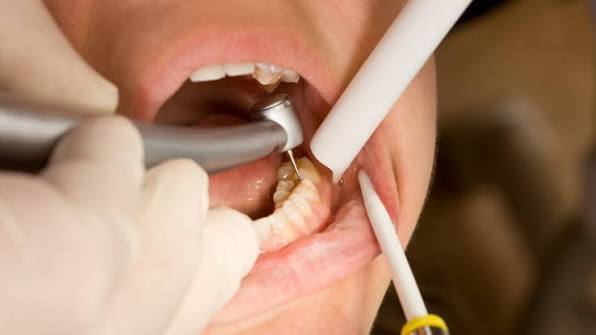
A small cavity may not cause noticeable pain at first, but untreated tooth decay can gradually damage the affected tooth. Dental fillings help repair areas of damage caused by decay or certain minor fractures, restoring the tooth’s shape and function. If you are searching for dental fillings Melrose MA, understanding the treatment process and available materials can help you feel more prepared for a dental appointment.
The right filling depends on the location of the damage, the amount of healthy tooth structure remaining, and the forces placed on the tooth during chewing. Early assessment helps the dentist determine whether a filling is appropriate or whether more extensive treatment may be needed.
What Is a Dental Filling?
A dental filling is a restorative material used to repair a tooth after the dentist removes decayed tissue or addresses certain types of minor damage. The material fills the prepared area and helps restore the tooth’s structure.
Fillings may be made from different materials, including composite resin and other restorative options. The choice depends on the tooth’s condition, the location of the cavity, aesthetic preferences, and clinical considerations.
Although fillings repair damaged areas, they do not make a tooth immune to future decay. Good oral hygiene and regular examinations remain important after treatment.
What Causes Cavities?
Tooth decay develops when bacteria in dental plaque interact with sugars and produce acids that weaken enamel. Frequent exposure to sugary foods and drinks, inadequate plaque removal, and certain individual risk factors can contribute to cavity formation.
Decay may develop between teeth, around the gumline, or in the grooves of chewing surfaces. Early cavities may not produce obvious symptoms, which is one reason routine dental examinations matter.
Possible warning signs include sensitivity to hot, cold, or sweet foods, visible discoloration, and tooth discomfort. However, symptoms alone cannot reliably determine how extensive the decay is.
Composite Dental Fillings in Melrose
Composite dental fillings Melrose patients may consider are made from tooth-colored resin material. The dentist selects a shade intended to blend with the surrounding natural tooth, making composite a common option for visible areas.
During treatment, the dentist removes the decayed tissue and prepares the tooth. The composite material is placed in the prepared area, shaped, and hardened using a curing light. The dentist then checks the bite and makes adjustments as needed.
Composite fillings can provide an aesthetic result while restoring a damaged area. Their suitability depends on the size and location of the cavity and the amount of pressure the restoration will experience.
What Other Filling Materials Are Available?
Different restorative materials have different strengths and limitations. Depending on the clinical situation, the dentist may discuss composite resin or other appropriate options.
Composite materials are often chosen for their tooth-colored appearance. Other materials may have different handling characteristics, durability considerations, or suitability for particular areas of the mouth.
There is no single filling material that is best for every patient. Ask your dentist why a specific material is recommended and how it compares with the available alternatives.
What Happens During a Filling Appointment?
The dentist first examines the tooth and determines the extent of the damage. Dental X-rays may be recommended when appropriate to assess areas that are not easily visible.
If a filling is suitable, local anesthesia may be used to keep the procedure comfortable. The dentist removes the decayed tissue, prepares the affected area, places the restorative material, and checks the final shape and bite.
The length of the appointment depends on the size and location of the cavity. After treatment, some temporary sensitivity may occur. Follow the dentist’s instructions and contact the practice if discomfort is severe, persistent, or worsening.
When Is a Filling Not Enough?
A filling may not provide sufficient support when decay or damage affects a substantial portion of the tooth. In these cases, the dentist may discuss a crown or another restoration.
If decay reaches the pulp inside the tooth, root canal treatment may be considered to address the affected tissue and preserve the tooth when possible. The tooth may then require additional restoration.
Treatment decisions depend on examination findings and the extent of damage. Ask your dentist to explain the reasons for the recommendation and whether alternatives are appropriate.
How to Protect a Filled Tooth
Once a tooth has been repaired, maintaining good oral hygiene helps reduce the risk of additional decay.
- Brush twice daily with fluoride toothpaste.
- Clean between teeth every day.
- Limit frequent sugary snacks and drinks.
- Attend dental examinations as recommended.
- Avoid chewing hard objects that could damage teeth or restorations.
- Contact your dentist if a filling cracks, loosens, or feels uncomfortable.
If you experience persistent pain when biting, temperature sensitivity that does not settle, or a change in the way your teeth meet, arrange a dental assessment.
Frequently Asked Questions
Do dental fillings hurt?
Local anesthesia can help manage discomfort during treatment. Some temporary sensitivity may occur afterward, depending on the cavity and the procedure.
Are composite fillings noticeable?
Composite resin is tooth-colored and can often be matched to the surrounding tooth, although the exact appearance varies.
How long do dental fillings last?
Longevity depends on the material, cavity size, tooth location, bite forces, and oral hygiene. Regular examinations help identify wear or damage.
Can a filled tooth develop another cavity?
Yes. Decay can develop around the edges of a restoration or in another part of the tooth if plaque accumulates.
When should I replace a filling?
A dentist should assess fillings that are cracked, loose, worn, or associated with symptoms. Replacement is based on clinical findings rather than age alone.
Arrange an Assessment for Tooth Decay
Prompt treatment can help address cavities before they cause more extensive damage. If you are researching dental fillings Melrose MA, contact Dr. Daniel N. Giatrelis’s practice to ask about restorative dental care and appointment availability. A dental examination can help determine the extent of the problem and whether a composite filling or another treatment is appropriate for your tooth.