Dental Cleaning Melrose MA: Why Professional Cleanings Matter

Brushing and flossing are essential parts of daily oral hygiene, but they cannot always remove every deposit that accumulates on teeth. Over time, plaque can harden into tartar, which generally requires professional removal. Regular dental cleanings help maintain oral hygiene, support gum health, and give dental professionals an opportunity to identify concerns that may need further attention. If you are researching dental cleaning Melrose MA, understanding what happens during a cleaning can help you prepare for your appointment.

Professional cleaning is most effective when combined with consistent home care and regular dental examinations. The frequency and type of cleaning recommended for you depend on your gum health, buildup, medical history, and individual risk factors.

What Is Professional Dental Cleaning?

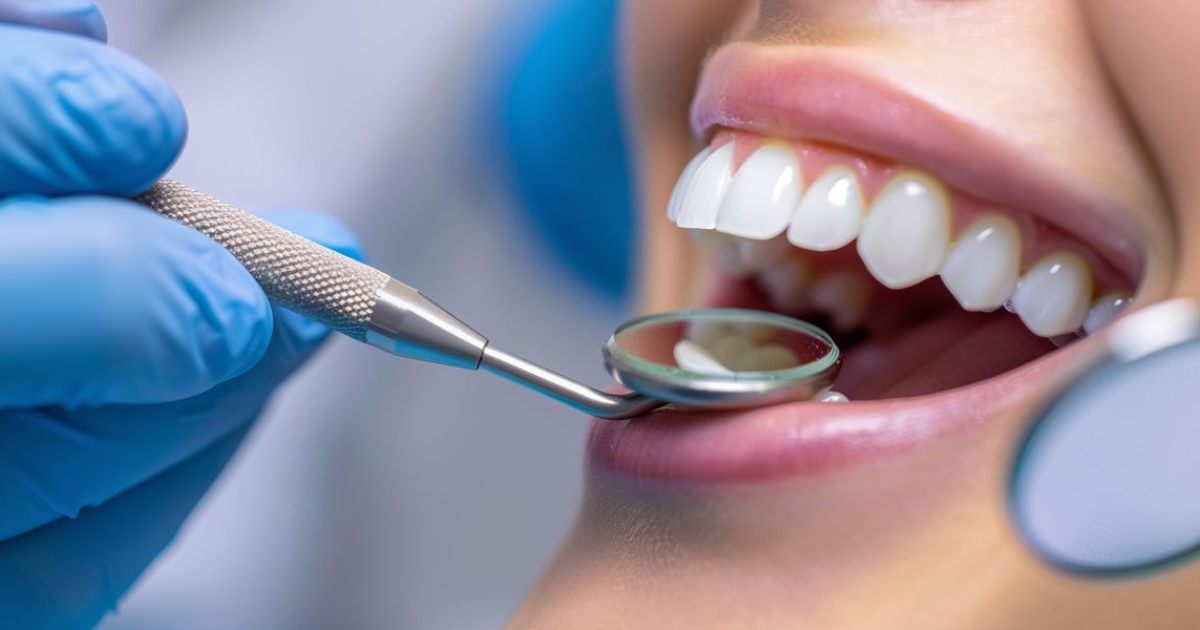
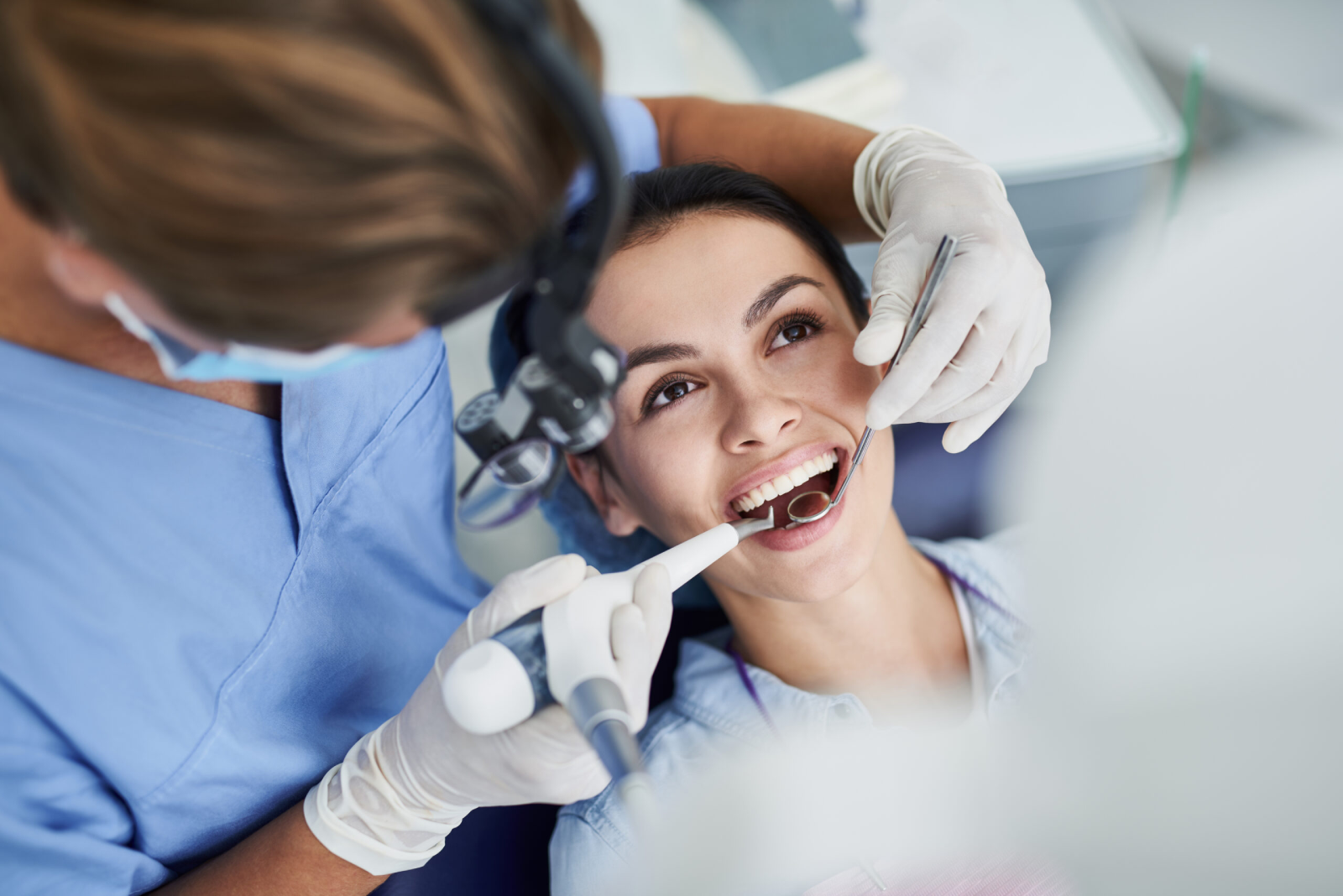
Professional dental cleaning involves removing plaque, tartar, and certain surface stains from the teeth. A dental hygienist or other qualified dental professional uses appropriate instruments to clean areas that may be difficult to reach with ordinary brushing.

The appointment may also include an assessment of gum health and personalized oral hygiene guidance. Depending on your needs, the dental team may recommend additional periodontal treatment rather than a routine cleaning alone.

A standard cleaning does not replace a comprehensive dental examination. Both services can play important roles in monitoring and maintaining oral health.

Why Do Teeth Need Professional Cleaning?

Removing Plaque and Tartar

Plaque is a sticky film of bacteria that forms on teeth. Regular brushing and cleaning between teeth help remove it before it accumulates. When plaque remains on the teeth, it can harden into tartar.

Tartar cannot generally be removed completely with a toothbrush. Professional instruments are used to remove these deposits safely and help maintain cleaner tooth surfaces.

Supporting Healthy Gums

Gum inflammation may develop when plaque accumulates around the gumline. Common signs include redness, swelling, or bleeding during brushing.

Professional cleaning can help manage deposits associated with gum inflammation. If periodontal disease has progressed beyond the gums’ surface tissues, additional treatment may be required. A dental professional can assess the condition and recommend appropriate care.

Addressing Surface Stains

Coffee, tea, tobacco, and certain foods can contribute to visible surface staining. A professional cleaning may remove some external stains, leaving teeth looking cleaner.

However, cleaning is not the same as teeth whitening. Whitening treatments are designed to change the color of natural teeth, while routine cleaning focuses on removing deposits and surface buildup.

What Happens During a Dental Cleaning Appointment?

Patients seeking professional teeth cleaning Melrose can ask the practice what its routine appointment includes. Although the process varies, a typical visit may involve several steps.

First, the dental professional reviews relevant medical history and examines the mouth for visible concerns. The clinician may assess the gums, look for deposits, and identify areas that require additional attention.

Next, specialized instruments are used to remove plaque and tartar. The teeth may then be polished when appropriate to help remove surface stains and leave the surfaces feeling smooth.

The appointment may finish with personalized advice about brushing, interdental cleaning, and other preventive measures. Fluoride treatment may be recommended depending on the patient’s age, cavity risk, and clinical needs.

If the examination reveals signs of gum disease, the dental team may discuss a deeper cleaning or periodontal assessment.

How Often Should You Have Your Teeth Cleaned?

Many people benefit from dental visits approximately every six months, but this is not the right schedule for everyone. Some patients need more frequent professional care because of gum disease, rapid tartar buildup, medical factors, or other oral health concerns.

Your dentist or hygienist can recommend an interval based on your individual condition. Following that recommendation is more useful than assuming every patient requires identical appointment timing.

If your gums bleed regularly, you have persistent bad breath, or your teeth feel increasingly sensitive, arrange an assessment rather than waiting for your next scheduled cleaning.

Maintaining Results Between Visits

Good daily habits help prevent plaque from accumulating between professional appointments.

  • Brush twice daily with fluoride toothpaste.
  • Clean between your teeth every day using floss or a suitable interdental aid.
  • Replace a worn toothbrush or brush head when necessary.
  • Limit frequent sugary snacks and drinks.
  • Avoid tobacco and seek guidance about any persistent gum symptoms.
  • Attend dental examinations according to your recommended schedule.

If you have braces, bridges, implants, or other dental restorations, ask your dental professional how to clean around them effectively.

Is Professional Cleaning Uncomfortable?

Many routine cleanings are well tolerated, although some people experience temporary sensitivity, especially when tartar buildup is substantial or their gums are inflamed.

Tell the dental professional if you experience discomfort or have dental anxiety. They can explain what they are doing, discuss ways to improve comfort, and determine whether your oral health requires a modified approach.

People with significant gum disease may need a deeper cleaning procedure, which can involve local anesthesia depending on the treatment plan.

Frequently Asked Questions

Does dental cleaning whiten teeth?

Cleaning can remove some surface stains, but it does not change the natural color of teeth in the same way as whitening treatment.

Can I brush away tartar at home?

Brushing helps remove plaque, but hardened tartar generally requires professional removal. Avoid scraping your teeth with sharp household objects.

Should I have a cleaning if my gums bleed?

Bleeding gums should be assessed by a dental professional. Cleaning may be part of treatment, but the appropriate approach depends on the underlying cause.

How long does a dental cleaning take?

Appointment length varies according to the amount of buildup, gum health, and whether additional examination or treatment is needed.

Is professional cleaning necessary if I floss daily?

Yes. Daily cleaning is essential, but tartar can still develop in some areas. Professional visits help remove deposits and assess oral health.

Schedule Your Next Dental Cleaning

Consistent preventive care can help keep your teeth cleaner and your gums healthier. If you are looking for dental cleaning Melrose MA, contact Dr. Daniel N. Giatrelis’s practice to ask about professional cleaning appointments, examination requirements, and the services currently available. A dental professional can recommend a suitable cleaning schedule based on your oral health and help you maintain effective habits between visits.

Emergency Dentist Melrose MA: What to Do When Dental Problems Cannot Wait

A sudden toothache, broken tooth, or dental injury can disrupt eating, sleeping, and everyday activities. When a dental problem develops unexpectedly, knowing what to do can help you respond promptly and avoid actions that may worsen the situation. If you are searching for an emergency dentist Melrose MA, understanding common warning signs and appropriate first steps can help you decide how quickly to seek professional care.

Dental emergencies vary in severity. Some problems require immediate attention, while others need a prompt appointment without necessarily requiring hospital emergency services. The right response depends on the symptoms, the cause, and whether there are signs of a more serious medical problem.

What Counts as a Dental Emergency?

A dental emergency is a problem that needs urgent professional assessment because of significant pain, injury, infection, or damage that may worsen without treatment.

Common concerns include severe toothache, a knocked-out permanent tooth, a cracked or broken tooth causing pain, swelling around a tooth, and complications following dental treatment.

Not every dental concern has the same urgency. Mild sensitivity may be suitable for a routine appointment, while intense pain, spreading swelling, or significant trauma requires faster assessment.

When to Seek Immediate Medical Help

Some symptoms require emergency medical attention rather than waiting for a dental appointment. Call emergency services if you have difficulty breathing or swallowing, rapidly spreading facial or neck swelling, or severe facial trauma with potentially life-threatening injuries.

Uncontrolled bleeding or a serious injury may also require urgent medical evaluation. Do not delay emergency help while trying to arrange a routine dental visit.

For other urgent dental problems, contact a dental practice and explain your symptoms. The team can advise whether it can assess you promptly or whether another service is more appropriate.

Common Dental Emergencies and First Steps

Severe Toothache

Persistent or intense tooth pain may result from decay, infection, a cracked tooth, or another dental condition. Contact a dentist promptly, especially if the pain interferes with sleep or normal activities.

Until you receive advice, gently rinse your mouth with warm water and avoid chewing on the affected side. Do not place aspirin directly on your tooth or gums, as this can damage tissue.

Pain relief may be appropriate for some people, but medication choice depends on individual health circumstances. Follow the product label and consult a pharmacist or clinician if you are unsure what is safe for you.

Chipped or Broken Tooth

A damaged tooth should be assessed to determine the extent of the injury. Rinse gently with warm water and, if possible, save any broken fragments in a clean container.

Avoid hard foods and protect the tooth from further pressure. If there is bleeding, apply gentle pressure with clean gauze where practical. Contact a dentist promptly, particularly if the tooth is painful, loose, or visibly damaged.

Knocked-Out Permanent Tooth

A knocked-out permanent tooth requires immediate dental attention because treatment is time-sensitive. Handle the tooth by its crown, not its root. If it is dirty, gently rinse it with milk or saline; do not scrub the root.

If possible, and only if it can be done safely, place the tooth back in its socket without forcing it. Otherwise, keep it moist in milk or an appropriate tooth-preservation solution and seek emergency dental care immediately. Do not reinsert a knocked-out baby tooth.

Swelling or Possible Infection

Swelling, pus, a bad taste, fever, or increasing pain may indicate a dental infection. Contact a dentist urgently for assessment.

Do not attempt to drain an abscess yourself or use leftover antibiotics. Dental infections often require treatment of the underlying source, and antibiotics alone may not resolve the problem.

Finding Urgent Dental Care in Melrose

When seeking urgent dental care Melrose, call the practice before travelling and describe what happened, when symptoms began, and whether you have swelling, fever, bleeding, or an injury.

Ask whether an urgent appointment is available and what you should do while waiting. If the practice cannot assess you within an appropriate timeframe, ask where you should seek care next.

Dr. Daniel N. Giatrelis’s public listings indicate emergency dental services, but availability and the types of emergencies handled should be confirmed directly with the office.

What to Prepare for an Emergency Appointment

Be ready to explain your symptoms, medical history, medications, allergies, and any recent dental treatment. If a tooth has been damaged, explain how the injury occurred and whether the tooth or restoration has moved.

The dentist may examine the affected area and recommend imaging or other diagnostic steps. Treatment depends on the cause and severity of the problem.

Ask what the recommended treatment involves, whether follow-up care is needed, and how to manage discomfort afterward.

Preventing Future Dental Emergencies

Although accidents cannot always be prevented, certain habits can reduce avoidable dental injuries. Attend regular dental examinations, address damaged restorations, and avoid chewing ice or other hard objects.

Wear a properly fitted mouthguard during contact sports. If you grind your teeth, ask your dentist whether a protective appliance may help reduce damage.

Frequently Asked Questions

Should I visit a dentist for severe tooth pain?

Yes. Severe or persistent tooth pain deserves prompt assessment, particularly when accompanied by swelling, fever, or difficulty chewing.

Is a broken tooth always an emergency?

The urgency depends on the damage and symptoms. Painful fractures, exposed sensitive tissue, or significant injury should be assessed promptly.

What should I do if my face is swelling?

Seek urgent professional assessment. If swelling spreads rapidly or causes difficulty breathing or swallowing, seek emergency medical help immediately.

Can I wait until morning for dental treatment?

That depends on the symptoms. Contact a dental professional or appropriate urgent service for advice rather than assuming it is safe to wait.

Does the practice offer emergency appointments?

Contact Dr. Daniel N. Giatrelis’s office to confirm current emergency arrangements and appointment availability.

Get Advice for an Urgent Dental Problem

Dental pain and injuries should not be ignored when symptoms are severe or worsening. If you need an emergency dentist Melrose MA, contact the practice to describe the problem and ask about the appropriate next step. For life-threatening symptoms or difficulty breathing or swallowing, seek emergency medical help immediately. Prompt assessment can help identify the cause and determine the treatment needed.

Cosmetic Dentist Melrose MA: Options for a More Confident Smile

Your smile is part of how you express yourself, but concerns about stained, chipped, uneven, or worn teeth can sometimes affect your confidence. Cosmetic dentistry offers different approaches to improving the appearance of teeth while taking oral health and function into account. If you are researching a cosmetic dentist Melrose MA, learning about common procedures can help you prepare questions and understand which options might suit your goals.

Cosmetic treatment should begin with a careful assessment rather than an assumption that every smile needs extensive work. The right approach depends on the condition of your teeth, your expectations, and the potential benefits and limitations of each procedure.

What Is Cosmetic Dentistry?

Cosmetic dentistry focuses on improving visible features of the teeth and smile. Depending on the patient’s needs, treatment may address discoloration, tooth shape, minor gaps, chips, or damaged restorations.

Some procedures primarily improve appearance, while others combine aesthetic and restorative purposes. For example, a crown may protect a weakened tooth while also improving its visible shape.

Before treatment, a dentist should evaluate your teeth and gums, discuss your priorities, and explain whether any underlying problems need attention first.

Cosmetic Dentistry Services in Melrose

Patients exploring cosmetic dentistry services Melrose may encounter several treatment options. Their suitability varies according to dental health, tooth structure, and the desired result.

Professional Teeth Whitening

Natural teeth can become discolored through aging, dietary habits, and exposure to drinks such as coffee and tea. Professional whitening may lighten suitable stains and improve the appearance of natural enamel.

A dental assessment can help identify the likely cause of discoloration and determine whether whitening is appropriate. Some stains respond differently from others, and crowns, fillings, and veneers generally do not whiten like natural teeth.

Ask about expected results, possible sensitivity, and how to maintain the improvement. Follow professional instructions rather than using whitening products more frequently than recommended.

Dental Bonding

Bonding uses tooth-colored composite material to repair selected imperfections. It may be considered for small chips, minor gaps, or irregular edges.

The procedure can be a relatively conservative option in suitable cases. However, bonding material may stain, chip, or wear over time, so maintenance and occasional repair may be necessary.

Your dentist can explain whether bonding is likely to meet your expectations or whether another treatment would provide a more appropriate result.

Porcelain Veneers

Veneers are thin coverings attached to the front surfaces of selected teeth. They may be used to change the appearance of certain stains, uneven shapes, or small spacing concerns.

Veneer treatment requires careful planning. Depending on the technique, some enamel may need to be removed, and that change may be irreversible. Discuss tooth preparation, durability, maintenance, and alternatives before making a decision.

Crowns and Tooth-Colored Restorations

Crowns may be recommended when a tooth needs more extensive protection or restoration. Tooth-colored fillings can repair selected areas of decay or damage while blending with the surrounding tooth.

These treatments may improve appearance, but their primary purpose should be based on the tooth’s clinical needs. A dentist can explain the available materials and why a particular restoration may be suitable.

Choosing the Right Treatment

The best cosmetic procedure is not necessarily the most expensive or extensive. Start by identifying what bothers you about your smile and discuss your priorities during a consultation.

Consider asking:

  • What results are realistic for my teeth?
  • Are there less invasive alternatives?
  • Will treatment affect healthy enamel?
  • How long might the results last?
  • What maintenance or future repairs could be required?
  • What are the total costs and payment arrangements?

These questions can help you compare options and understand the long-term commitment associated with treatment.

Why Oral Health Comes First

Healthy gums and stable teeth provide an important foundation for cosmetic procedures. Untreated cavities, gum disease, or other oral health concerns may need attention before aesthetic treatment begins.

A dental examination helps identify these issues and determine the appropriate order of care. Addressing underlying problems first can support better treatment planning and reduce the risk of complications.

Patients should also explain any tooth sensitivity, clenching, or grinding habits. These factors may influence the selection and maintenance of cosmetic restorations.

Maintaining Your Smile After Treatment

Cosmetic dental work still requires everyday care. Brush twice daily with fluoride toothpaste, clean between your teeth, and attend dental examinations at the intervals recommended for you.

Avoid biting hard objects and using your teeth to open packages. If you grind your teeth, ask whether a night guard may help protect your natural teeth and restorations.

Whitening, bonding, veneers, and crowns have different maintenance requirements. Follow the instructions provided for your specific procedure and seek professional advice if a restoration becomes loose, damaged, or uncomfortable.

Frequently Asked Questions

Is cosmetic dentistry only about appearance?

Not always. Some treatments improve appearance while also restoring damaged teeth. The purpose depends on the procedure and the patient’s needs.

Does teeth whitening work on crowns?

Whitening generally affects natural teeth rather than the color of existing crowns or fillings. Discuss shade matching with your dentist before treatment.

Are veneers permanent?

Veneer treatment may involve irreversible enamel removal. Ask your dentist about preparation, alternatives, and long-term maintenance before proceeding.

Can bonding repair a chipped tooth?

Bonding may repair selected minor chips. Larger fractures or structurally weakened teeth may require a different treatment.

How do I get started with cosmetic dentistry?

Arrange a consultation, explain your concerns, and ask about suitable treatments, risks, costs, and realistic results.

Explore Your Cosmetic Dental Options

If you want to improve the appearance of your smile, a professional assessment can help you understand the available choices. Contact Dr. Daniel N. Giatrelis’s practice to ask about cosmetic dentist Melrose MA services, including the cosmetic treatments currently offered. Discussing your goals and oral health together can help you decide on a practical next step without committing to treatment before you understand your options.

General Dentist Melrose MA: Your Guide to Everyday Dental Care

Healthy teeth and gums depend on regular attention, good home-care habits, and timely professional advice. Even when your teeth feel comfortable, small problems can develop without obvious symptoms. Routine examinations can help identify concerns and provide an opportunity to discuss preventive measures. For anyone searching for a general dentist Melrose MA, understanding the role of general dentistry is a useful first step toward maintaining long-term oral health.

General dentistry addresses many everyday dental needs, including examinations, preventive care, diagnosis, and common restorative procedures. The aim is to monitor oral health, treat problems when appropriate, and help patients make informed decisions about their care.

What Does a General Dentist Do?

A general dentist evaluates the teeth, gums, bite, and other visible oral tissues. Based on the examination, the dentist may recommend preventive services, investigate symptoms, or develop a treatment plan for an identified problem.

Routine care can include dental examinations, professional cleanings, fillings, and assessments of existing restorations. Some patients may also need crowns, root canal treatment, or other procedures, depending on the practice’s capabilities and their clinical needs.

When specialist care is necessary, a general dentist may recommend referral to an appropriate dental professional.

Why Regular Dental Examinations Matter

Dental examinations help identify potential concerns before they become more complicated. Cavities, gum inflammation, worn fillings, and other conditions may not cause noticeable discomfort during their early stages.

During a visit, the dentist reviews your dental history, checks for visible changes, and determines whether additional diagnostic steps are appropriate. Dental X-rays may be recommended when clinically indicated, but they are not automatically necessary at every appointment.

Patients should share information about sensitivity, bleeding gums, pain, or changes in their bite. This helps the dentist decide whether further investigation or treatment is needed.

Understanding General Dentistry Services in Melrose

Preventive Care and Professional Cleanings

Preventive appointments help maintain oral hygiene and monitor changes in dental health. Professional cleaning removes deposits that ordinary brushing may not eliminate, while personalized guidance can help improve your daily routine.

Your dentist or hygienist can explain suitable brushing techniques, interdental cleaning methods, and the role of fluoride toothpaste in preventing tooth decay.

Fillings and Tooth Repair

When decay damages a tooth, a filling may restore the affected area after the dentist removes the diseased tissue. The choice of material depends on factors such as the location of the cavity, the remaining tooth structure, and the patient’s needs.

Cracked or worn teeth may require a different approach. A dental assessment helps determine whether a filling, crown, or another treatment is appropriate.

Crowns and Other Restorations

Crowns can cover and protect teeth that have substantial structural damage or require additional support after certain procedures. Other restorations may be considered for damaged or missing teeth, depending on the clinical situation.

Ask your dentist about the expected lifespan of a proposed restoration, how to care for it, and whether alternative treatments are available.

Gum Health Assessment

Healthy gums support the teeth and contribute to overall oral health. Bleeding, swelling, persistent tenderness, or gum recession can indicate a problem that deserves professional attention.

Treatment depends on the condition’s severity. Recommendations may include improved home care, professional cleaning, or more specialized periodontal treatment when needed.

How to Prepare for a Dental Appointment

Before visiting a general dentist Melrose MA, make a note of any symptoms, questions, and concerns you want to discuss. Include the timing of discomfort, what makes it better or worse, and whether you have noticed swelling or sensitivity.

Bring an updated medication list and share relevant medical conditions or previous dental treatment. These details can influence treatment planning and help the dental team provide appropriate care.

If you are concerned about cost, ask for an explanation of proposed treatment, available alternatives, and expected fees before proceeding. If you have dental insurance, confirm coverage and patient responsibility with the practice and insurer.

Maintaining Oral Health Between Visits

Daily habits remain essential between professional appointments. Brush twice daily with fluoride toothpaste, clean between your teeth every day, and limit frequent sugary snacks and drinks.

Avoid chewing hard objects or using your teeth to open packaging. If you grind your teeth, discuss this with your dentist because repeated pressure may contribute to tooth wear or damage.

Do not ignore persistent dental symptoms simply because your next appointment is weeks away. Contact the practice for guidance when new concerns develop.

When Is Specialist Care Needed?

General dentists manage many common dental problems, but some conditions require additional expertise. Complex gum disease, certain oral surgical needs, or difficult root canal cases may call for specialist assessment.

A referral does not mean routine dental care has failed. It is a way to connect patients with the appropriate professional for a particular concern. Your dentist should explain why a referral may help and what to expect next.

Frequently Asked Questions

What is the difference between a general dentist and a specialist?

A general dentist provides broad dental care, while a specialist completes additional training in a specific area of dentistry.

How often should I see a general dentist?

Your ideal schedule depends on your dental history and risk factors. Follow the interval recommended by your dental professional.

Can a general dentist treat cavities?

Yes. Treating cavities is a common general dentistry service, although the required procedure depends on the extent of the decay.

Do I need dental X-rays at every visit?

No. X-rays should be recommended according to your symptoms, history, examination findings, and clinical needs.

Should I visit a dentist if my teeth do not hurt?

Yes. Routine examinations can identify some problems before they cause noticeable symptoms.

Take a Proactive Approach to Dental Health

Regular examinations and consistent home care help you stay informed about your oral health. If you are looking for a general dentist Melrose MA, contact Dr. Daniel N. Giatrelis’s office to ask about examinations, preventive services, restorative treatment, and appointment availability. Discussing your needs directly with the practice can help you identify appropriate next steps for maintaining your teeth and gums.

Family Dentist Melrose MA: Dental Care for Every Stage of Life

Finding a dentist who understands your family’s changing needs can make maintaining oral health easier. Children need guidance as their teeth develop, adults benefit from preventive examinations and timely treatment, and older family members may require additional attention to existing dental work. Choosing a family dentist Melrose MA residents can consult for ongoing care helps families establish consistent habits and address dental concerns as they arise.

Family dentistry focuses on prevention, education, diagnosis, and treatment for patients at different stages of life. Although each person requires an individual approach, having a familiar dental practice can simplify appointment planning and help family members feel more comfortable discussing their concerns.

What Does Family Dentistry Include?

Family dentistry generally covers routine oral examinations, professional cleanings, preventive guidance, and common restorative treatments. The exact services available depend on the dental practice and each patient’s needs.

A family dentist can assess the condition of teeth and gums, identify potential problems, and recommend appropriate treatment. These visits also provide opportunities to discuss oral hygiene habits, dietary choices, tooth sensitivity, and changes in dental health.

For families seeking family dentistry near Melrose, understanding the practice’s services, appointment arrangements, and approach to patients of different ages can help them choose suitable ongoing care.

Dental Care for Children

Building Healthy Habits Early

Children benefit from learning how to brush, clean between their teeth when appropriate, and understand the importance of regular dental visits. Early appointments can also help them become familiar with the dental environment before they experience a significant problem.

Parents can encourage healthy habits by supervising brushing, choosing age-appropriate oral care products, and limiting frequent sugary snacks and drinks. A dentist can provide guidance suited to a child’s development and individual risk of tooth decay.

Monitoring Growing Smiles

As children grow, their primary teeth are gradually replaced by permanent teeth. Regular examinations allow a dentist to monitor this transition and identify concerns that may require further assessment.

Depending on a child’s needs, preventive options such as fluoride treatments or dental sealants may be discussed. These treatments are not identical for every child, so recommendations should follow a professional evaluation.

Preventive Care for Adults

Adults can develop cavities, gum disease, tooth wear, and other oral health problems even when they brush regularly. Dental examinations and professional cleanings help monitor oral health and identify issues that may not be obvious at home.

A dentist may also review existing fillings, crowns, or other restorations to determine whether they remain in good condition. If a problem is identified, early evaluation can help clarify treatment options before the damage progresses.

Patients should mention symptoms such as bleeding gums, persistent bad breath, sensitivity, or discomfort when chewing. These signs deserve attention rather than being treated as unavoidable parts of daily life.

Supporting Older Adults’ Dental Health

Dental needs can change with age. Some older adults have crowns, bridges, dentures, or other restorations that require regular monitoring. Others experience dry mouth, gum recession, or difficulties cleaning their teeth because of changes in mobility or dexterity.

A dentist can review these concerns and suggest practical adjustments to daily oral care. Patients taking medications should mention them during appointments because certain medicines can contribute to dry mouth.

Maintaining natural teeth, keeping restorations clean, and arranging timely assessments can help support comfort and everyday function.

How to Choose a Family Dentist in Melrose

When comparing dental practices, consider more than location alone. Look for clear communication, appropriate services, convenient appointment arrangements, and a professional approach to preventive care.

Useful questions include:

  • Does the practice treat the age groups in your family?
  • Which preventive and restorative services are available?
  • How are treatment recommendations explained?
  • Can family members coordinate appointments where scheduling permits?
  • What payment methods and insurance arrangements should patients confirm?

It is also helpful to discuss dental anxiety, previous treatment experiences, and any accessibility needs before an appointment.

Making Dental Visits Part of Your Routine

Consistency is easier when dental appointments become part of your family’s regular schedule. Keep track of recommended visits, encourage children to follow daily brushing routines, and address new symptoms promptly.

At home, brush twice daily with fluoride toothpaste and clean between teeth every day. Choose balanced meals and limit frequent exposure to sugary foods and drinks. These habits complement professional care rather than replacing it.

If someone in your household experiences pain or a damaged tooth, contact a dental professional for advice instead of waiting for the next routine checkup.

Frequently Asked Questions

When should children first visit a dentist?

Children should generally have their first dental visit by their first birthday or within six months of their first tooth appearing. A dentist can then advise on an appropriate follow-up schedule.

Can one family dentist care for adults and children?

Many family dental practices provide care for multiple age groups. Confirm the practice’s age range and available services before booking.

How often should my family have dental checkups?

The recommended interval depends on each person’s oral health, risk factors, and treatment history. Follow the schedule advised by your dental professional.

What if a family member feels nervous about dental treatment?

Tell the dental team before the appointment. Discussing concerns and asking for explanations can help you understand what to expect.

What should I bring to a first appointment?

Bring relevant medical and dental history, a current medication list, and insurance information if applicable. Ask the practice about registration forms and payment arrangements.

Arrange Your Family’s Dental Care

A consistent dental routine can help every family member understand and manage their oral health. If you are searching for a family dentist Melrose MA, contact Dr. Daniel N. Giatrelis’s practice to ask about available services, appointments, and care for your household’s needs. A conversation with the office can help you determine whether its services and scheduling arrangements are suitable for your family.

Dr Giatrelis Dental Care Melrose: Supporting Lifelong Oral Health

Maintaining healthy teeth and gums requires more than brushing twice a day. Regular dental examinations, professional cleanings, early treatment, and consistent home care all contribute to long-term oral health. When dental concerns arise, knowing where to seek guidance can make it easier to address problems before they become more complicated. For individuals searching for Dr Giatrelis dental care Melrose, understanding comprehensive dental care is a useful starting point.

A comprehensive approach considers the condition of your teeth, gums, bite, and supporting oral structures. Rather than focusing on a single concern, it aims to identify potential problems, protect existing teeth, and help patients make informed decisions about their dental health.

What Does Comprehensive Dental Care Include?

Comprehensive dental care brings together preventive, diagnostic, and restorative services based on individual needs. Treatment recommendations depend on a patient’s dental history, current symptoms, oral health, and risk factors.

A routine visit may include an examination, a professional cleaning when appropriate, and a discussion of any concerns. If the dentist identifies a cavity, gum inflammation, or damaged tooth, additional assessment or treatment may be recommended.

This approach helps patients understand their oral health and establish a practical plan for maintaining it over time.

Essential Services That Support Oral Health

Preventive Dental Examinations

Regular dental examinations allow a dentist to assess the teeth, gums, and other visible oral tissues. These visits can help identify concerns such as tooth decay, gum disease, worn restorations, or changes that require further evaluation.

The recommended frequency of visits depends on individual risk and clinical needs. Your dentist can advise you on an appropriate schedule rather than relying on a fixed interval for every patient.

Professional Dental Cleanings

Plaque accumulates on teeth throughout the day. When it is not removed effectively, it can harden into tartar, which generally requires professional removal.

Dental cleanings help remove deposits from accessible tooth surfaces and support healthy gums. Your dental team can also offer guidance on brushing technique, interdental cleaning, and areas that may need extra attention at home.

Restorative Dental Treatments

Even patients who maintain good oral hygiene can develop cavities, cracked teeth, or worn dental restorations. Restorative treatment aims to repair damage and preserve tooth function where possible.

Depending on the condition, treatment may involve a filling, crown, bridge, or another appropriate restoration. The dentist will assess the remaining tooth structure and explain the advantages and limitations of available options.

Root Canal Therapy

When the soft tissue inside a tooth becomes infected or severely inflamed, root canal treatment may be recommended to address the problem and help preserve the tooth.

The procedure involves treating the affected internal tissue, cleaning the root canal system, and sealing it. Additional restoration may be needed to protect the treated tooth, depending on its condition.

Gum Disease Management

Gum disease can cause redness, swelling, bleeding, and, in more advanced cases, damage to the tissues supporting the teeth. Early assessment is important because symptoms do not always reflect the extent of the problem.

Treatment may involve improved home care, professional cleaning, or a deeper cleaning procedure when clinically indicated. Your dentist can recommend an appropriate plan based on the severity of the condition.

Why Regular Dental Care Matters

Consistent dental visits can help identify problems early, when treatment may be less complex. They also provide opportunities to review existing restorations, discuss changing dental needs, and reinforce effective home-care habits.

Benefits of comprehensive dental care include:

  • Monitoring the condition of teeth and gums.
  • Identifying potential concerns before symptoms become severe.
  • Supporting the preservation of natural teeth.
  • Receiving personalized oral hygiene recommendations.
  • Planning restorative treatment when damage or disease occurs.

Dental visits also allow patients to discuss concerns such as sensitivity, bad breath, discomfort when chewing, or changes in their gums. Sharing these symptoms helps the dentist determine whether further evaluation is needed.

What to Expect During a Dental Appointment

A dental appointment typically begins with a review of your medical and dental history, including any symptoms or recent changes. The dentist examines your mouth and determines whether additional diagnostic steps, such as dental X-rays, are appropriate.

After the assessment, the dentist can explain any findings and discuss possible treatment options. If treatment is needed, ask about the purpose of the procedure, expected timeline, costs, and aftercare requirements.

Clear communication is important. Patients should feel comfortable asking questions and understanding the reasoning behind recommended care. If several treatment options are available, discussing their benefits and limitations can help you make a decision that fits your needs.

Maintaining Dental Health Between Visits

Everyday habits play an important role in protecting your teeth and gums. Brush twice daily with fluoride toothpaste and clean between your teeth using floss or another suitable interdental cleaning aid.

Limit frequent exposure to sugary foods and drinks, and drink water regularly. Avoid tobacco, which can increase oral health risks, and seek professional advice if you experience persistent discomfort or bleeding gums.

Do not wait for a routine appointment if you develop significant dental pain, swelling, or a damaged tooth. Contact a dental professional promptly for advice. Severe facial swelling, difficulty breathing, or difficulty swallowing requires emergency medical attention.

Frequently Asked Questions

How often should I visit a dentist?

Your ideal schedule depends on your oral health and risk factors. Your dentist can recommend how frequently you need examinations and professional cleanings.

What is included in comprehensive dental care?

It may include examinations, preventive cleanings, gum care, fillings, crowns, root canal treatment, and other services based on individual needs.

Can regular checkups prevent cavities?

Checkups help identify early signs of decay, while fluoride toothpaste, effective cleaning, dietary habits, and appropriate preventive care help reduce cavity risk.

What should I do if my gums bleed?

Persistent bleeding should be assessed by a dental professional. It may indicate gum inflammation or another condition that requires attention.

When should I seek restorative dental treatment?

If you have a cavity, cracked tooth, damaged filling, or persistent discomfort, arrange a dental assessment. The appropriate treatment depends on the underlying cause and extent of damage.

Schedule Your Next Dental Visit

Taking care of your oral health begins with regular attention and timely professional guidance. If you are searching for comprehensive dental care Melrose, consider arranging a dental appointment to discuss your current needs, preventive care routine, and any symptoms you have noticed. Contact Dr. Daniel Giatrelis through the practice’s verified contact channels to inquire about available services and appointments. A consistent, personalized approach can help you protect your smile and support healthier habits for years to come.

Dr Daniel Cosmetic Dentist Melrose: Explore Your Smile Enhancement Options

A confident smile can make everyday interactions feel more comfortable, from meeting new people to speaking during professional events. However, chipped teeth, discoloration, uneven edges, or small gaps can sometimes make people feel hesitant about smiling. Cosmetic dentistry offers options for addressing these concerns while considering the health, function, and natural appearance of your teeth. If you are exploring a Dr Daniel cosmetic dentist Melrose search, understanding available treatments can help you prepare for an informed dental consultation.

Cosmetic dental care is not about making every smile look identical. It is about exploring suitable improvements based on individual preferences, existing dental conditions, and realistic treatment goals.

What Is Cosmetic Dentistry?

Cosmetic dentistry focuses on improving the appearance of teeth and smiles. Depending on a patient’s needs, treatment may address tooth color, shape, spacing, or visible damage. Some procedures also provide restorative benefits by strengthening or repairing affected teeth.

Before recommending treatment, a dentist should evaluate your teeth and gums, discuss your concerns, and explain the available options. This assessment helps determine whether a cosmetic procedure is appropriate or whether an underlying dental problem needs attention first.

Cosmetic Dental Treatments in Melrose

Several cosmetic dental treatments Melrose patients may explore can address different smile concerns. The most appropriate option depends on the condition of the teeth, the desired result, and the dentist’s clinical assessment.

Professional Teeth Whitening

Teeth can become stained over time through exposure to coffee, tea, certain foods, tobacco, and natural aging. Professional whitening may help reduce suitable stains and brighten the appearance of natural teeth.

A dental assessment can help identify the likely cause of discoloration and establish whether whitening is appropriate. Existing crowns, veneers, and fillings do not respond to whitening products in the same way as natural enamel, so patients with dental restorations may need additional guidance.

Porcelain Veneers

Veneers are thin coverings placed on the front surfaces of selected teeth. Depending on the case, they may improve the appearance of discoloration, small gaps, uneven shapes, or certain minor imperfections.

Veneers require careful planning because tooth preparation may involve removing some enamel. A dentist can explain the benefits, limitations, maintenance requirements, and alternatives before treatment begins.

Cosmetic Dental Bonding

Dental bonding uses tooth-colored composite material to repair or reshape selected areas of a tooth. It may be appropriate for minor chips, small gaps, or uneven edges.

Bonding can offer a conservative approach for suitable cases, although the material may stain or wear over time. Good oral hygiene and regular dental examinations help maintain the restoration.

Tooth Contouring and Reshaping

Minor differences in tooth length or edge shape can sometimes be addressed through careful contouring. This procedure involves removing a small amount of enamel to adjust the outline of a tooth.

It is suitable only for specific concerns because enamel cannot grow back. A dentist must assess tooth structure and bite alignment before recommending this option.

Tooth-Colored Fillings and Crowns

When teeth have decay, cracks, or more substantial structural damage, restorative treatments may improve both appearance and function. Tooth-colored fillings can repair selected areas, while crowns may protect teeth that require more extensive coverage.

The correct treatment depends on the amount of remaining healthy tooth structure and the underlying dental problem.

Benefits of Personalized Cosmetic Dental Care

Cosmetic dentistry can help patients address visible concerns that affect their confidence. Treatment may also support the appearance of existing restorative work when appropriately planned.

Potential benefits include:

  • A brighter-looking smile through suitable whitening treatments.
  • Improved tooth shape and symmetry.
  • Repair of selected chips and minor imperfections.
  • Better coordination between visible restorations and natural teeth.
  • A treatment plan designed around individual needs and preferences.

Results vary by procedure, oral health, and individual circumstances. A consultation provides an opportunity to understand what a treatment can realistically achieve.

How to Prepare for a Cosmetic Dentistry Consultation

Start by identifying the features of your smile you would like to improve. You might be concerned about staining, uneven edges, visible gaps, or older restorations. Sharing these priorities helps your dentist understand your expectations.

The dentist will assess your oral health and may recommend treating cavities or gum problems before cosmetic work begins. You can also ask about treatment duration, maintenance, expected results, possible sensitivity, and costs.

It is useful to discuss alternatives rather than assuming that the most extensive procedure will produce the best outcome. In some cases, a simple treatment may address the concern effectively.

Maintaining Your Results

Daily brushing with fluoride toothpaste, cleaning between your teeth, and attending regular dental appointments help protect your oral health after cosmetic treatment. Avoid using your teeth to open packaging, and ask your dentist whether a protective night guard may be appropriate if you grind your teeth.

Follow any procedure-specific aftercare instructions. Whitening results, bonding, veneers, and crowns have different maintenance requirements, so your dentist can explain how to care for your particular treatment.

Frequently Asked Questions

Is cosmetic dentistry suitable for everyone?

Not every procedure is appropriate for every patient. Your dentist should evaluate your oral health, tooth structure, and treatment goals before recommending an option.

How do I choose the right cosmetic treatment?

The choice depends on your specific concern, budget, dental health, and desired outcome. A professional assessment can help you compare suitable treatments.

Can cosmetic dentistry repair chipped teeth?

Depending on the size and location of a chip, bonding, contouring, veneers, or a crown may be considered. The extent of the damage determines which approach is appropriate.

Does cosmetic dental treatment hurt?

Comfort levels vary by procedure. Some treatments require little or no anesthesia, while others may require local anesthesia. Your dentist can explain what to expect.

How can I maintain cosmetic dental results?

Brush and floss consistently, attend regular checkups, follow aftercare instructions, and avoid habits that may damage your teeth or restorations.

Take the Next Step Toward a Confident Smile

If you are considering cosmetic dental care in Melrose, start with a consultation to discuss your concerns and understand your options. Dr. Daniel Giatrelis can be contacted through the practice’s verified appointment channels to ask about suitable services, treatment planning, and next steps. A personalized approach helps you make informed decisions while keeping your oral health a priority.

Dr. Giatrelis Family Dentist Melrose: Dental Care for Every Stage of Life

Maintaining a healthy smile starts with consistent dental care and good daily habits. From children’s developing teeth to adults managing changing oral health needs, regular dental visits help families understand how to protect their smiles. For residents seeking a Dr. Giatrelis family dentist in Melrose, establishing a dependable relationship with a dental professional can make preventive care easier to maintain. Dr. Daniel N. Giatrelis brings extensive general dentistry experience and additional training in restorative and aesthetic dentistry to his practice in Melrose, Massachusetts.

Why Family Dental Care Matters

Oral health needs change throughout life. Children need guidance as their teeth develop, adults benefit from monitoring gum health and existing dental work, and older patients may require additional attention to tooth wear, missing teeth, or changes in their oral health.

A consistent dental care routine helps identify potential concerns before they become more complicated. Regular examinations also give patients opportunities to ask questions, discuss symptoms, and receive practical advice tailored to their circumstances.

Families can benefit from making dental appointments part of their regular health routine rather than waiting until discomfort develops.

Family Dental Services in Melrose

When exploring family dental services in Melrose, it helps to understand the types of care that support long-term oral health. General dentistry commonly includes preventive examinations, professional cleanings, diagnostic imaging when appropriate, and treatment for common dental problems.

Preventive Examinations and Cleanings

Dental examinations help assess the condition of teeth, gums, and other oral structures. Your dentist may check for cavities, signs of gum disease, damaged fillings, and other changes that deserve attention.

Professional cleanings remove plaque and hardened deposits that may remain despite regular brushing and flossing. Your dental team can also explain techniques for cleaning hard-to-reach areas and maintaining healthier gums between appointments.

The recommended frequency of visits depends on individual risk factors and oral health history.

Restorative Treatments for Damaged Teeth

Cavities, fractures, and worn dental restorations can affect comfort and everyday function. Depending on the findings, treatment may include composite fillings or crowns to restore a tooth’s structure.

For patients dealing with missing teeth, bridges and implant restorations may be appropriate options. The dentist evaluates the condition of the mouth and discusses suitable treatments before recommending a plan.

Dr. Daniel Giatrelis’s general dentistry background includes restorative services that can help patients explore options for addressing these concerns.

Cosmetic Considerations

Many people also want their teeth to look their best. Cosmetic dental discussions may involve whitening options or other approaches to improve the appearance of a smile.

A dental consultation helps establish realistic expectations and determine whether a cosmetic treatment is suitable. Patients should discuss sensitivity, existing restorations, and any underlying dental problems before starting whitening treatments.

Helping Children Develop Healthy Dental Habits

Children benefit from learning that dental care is a normal part of staying healthy. Parents can encourage twice-daily brushing with fluoride toothpaste, supervise younger children’s brushing, and help them develop age-appropriate flossing habits.

Limiting frequent sugary snacks and drinks can also support oral health. Water and balanced meals are useful everyday choices, while regular dental visits help parents understand their child’s changing needs.

Children who feel nervous about dental appointments may benefit from calm explanations and reassurance. Parents can ask the dental office how best to prepare a child for a first visit or an unfamiliar procedure.

Supporting Adult and Older Adult Oral Health

Adults should continue monitoring their teeth and gums even when no obvious problems are present. Bleeding gums, persistent sensitivity, tooth pain, or changes in how teeth fit together deserve professional attention.

Older adults may face additional challenges, including dry mouth, gum recession, worn teeth, and difficulties cleaning around dental restorations. Reviewing medications, daily hygiene routines, and existing dental work with a dental professional can help identify appropriate preventive measures.

Dental care should be adapted to each patient’s health, comfort, and individual circumstances.

Choosing a Family Dentist in Melrose, MA

Finding a dentist involves more than selecting a convenient location. Families should consider professional experience, available services, communication, appointment accessibility, and how comfortably they can discuss concerns.

Dr. Daniel N. Giatrelis has more than 37 years of general dentistry experience and educational training at Tufts University School of Dental Medicine. His additional study in restorative and aesthetic dentistry supports conversations about both oral health and smile-related concerns.

When contacting a dental office, ask which family members it currently treats, what services are available, and how appointments are arranged. Confirming these details helps you choose care that fits your family’s needs.

Frequently Asked Questions

How Often Should Families Visit the Dentist?

Many patients benefit from checkups approximately every six months. Individual recommendations may differ depending on age, oral health, and the risk of dental problems.

When Should Children Start Seeing a Dentist?

Children should generally have their first dental visit by their first birthday or within six months after their first tooth appears.

Can Adults Receive Preventive and Restorative Care at the Same Practice?

Many general dental practices provide both types of care. Contact the office to confirm its current services and whether a particular treatment is available.

What Should I Do if a Family Member Has Tooth Pain?

Arrange a dental assessment promptly. Severe pain, facial swelling, fever, or difficulty swallowing may require urgent evaluation.

Take the Next Step Toward Healthier Family Smiles

Consistent dental care can help families build healthier habits and address concerns before they become more difficult to manage. If you are looking for a family dentist in Melrose, MA, contact Dr. Daniel N. Giatrelis’s office to ask about available services, appointment options, and care for your family’s needs. A conversation with the dental team is a practical first step toward creating a routine that supports healthier smiles over time.

Daniel Giatrelis DMD: Professional Dental Care in Melrose, MA

Choosing a dentist is an important part of protecting your oral health. You want a professional who understands preventive care, explains treatment options clearly, and helps you make informed decisions about your smile. In Melrose, Massachusetts, Dr. Daniel N. Giatrelis offers general dental care supported by decades of experience and a commitment to continuing education. Whether you need a routine checkup, help addressing a dental concern, or restorative treatment, a consistent relationship with a trusted dental professional can make caring for your teeth feel more manageable.

Experience You Can Build On

Dr. Daniel Giatrelis has more than 37 years of experience in general dentistry. His education includes Boston College and Tufts University School of Dental Medicine, along with advanced study at the Dawson Dental Institute and training in cosmetic and aesthetic dentistry. He is associated with professional dental organizations and study groups, reflecting an ongoing connection to developments in the field.

A careful assessment helps a dentist consider your current oral health, any symptoms you describe, and the options that may suit your needs.

Services to Support Everyday Oral Health

A professional dentist in Melrose, MA, can help patients address both routine and changing dental needs. Dr. Giatrelis’s listed services include digital imaging, dental prophylaxis, composite fillings, whitening strips, crowns and bridges, implant restorations, and removable appliances.

Preventive Visits and Digital Imaging

Regular dental visits help monitor teeth and gums, identify concerns early, and support a consistent home-care routine. Professional cleaning, also known as dental prophylaxis, removes buildup that brushing and flossing may not fully address. Digital imaging can help the dentist assess areas that are not easily visible during a visual examination when imaging is clinically appropriate.

Fillings and Restorative Options

Composite fillings can repair teeth affected by cavities or certain types of damage. When a tooth needs more support, a crown may be recommended after an examination. Bridges and implant restorations can help replace missing teeth in suitable cases, while removable appliances may provide another option depending on a patient’s circumstances. The right approach depends on factors such as oral health, tooth condition, goals, and clinical findings.

Smile Appearance

For patients who want to improve the appearance of their teeth, cosmetic options may include whitening products or other treatments appropriate to their needs. A dental consultation can help clarify what a treatment may realistically achieve, how to use it safely, and whether another option is more suitable.

What to Expect at a Dental Visit

A positive dental experience begins with communication. Your appointment may include a discussion of your dental history and concerns, an examination, and imaging if needed. The dentist can then explain any findings and discuss recommended next steps. If treatment is suggested, ask about its purpose, expected benefits, alternatives, timing, and care afterward.

If you are nervous about treatment, mention that concern at the start of your visit.

Why Choose a Professional Dentist in Melrose, MA?

Consistency is one of the benefits of establishing an ongoing relationship with a dentist. Familiarity with your dental history can make it easier to monitor changes over time and discuss preventive steps. Professional care also combines clinical assessment with guidance you can use at home, including brushing, flossing, and habits that may affect your teeth.

Dr. Giatrelis’s general dentistry background and additional study in restorative and aesthetic approaches provide a foundation for discussing a range of dental concerns.

Frequently Asked Questions

How Often Should I Schedule a Dental Checkup?

Many people benefit from visits every six months, but the best schedule depends on their oral health and their dentist’s advice.

What Happens During a Professional Dental Cleaning?

A cleaning removes plaque and hardened buildup from areas that routine brushing may miss. Your dental team may also review gum health and home-care habits.

Are Composite Fillings Noticeable?

Composite materials can be selected to blend with the natural appearance of teeth. The result depends on the tooth, the filling’s size, and clinical circumstances.

Can Crowns or Bridges Restore Damaged or Missing Teeth?

They may be suitable options for certain dental problems. An examination is needed to determine which treatment fits your needs.

Should I Ask About Cosmetic Dental Options?

Yes. Discuss your goals with your dentist so you can understand available options, limitations, and appropriate next steps.

Arrange Your Dental Visit

Taking care of your smile starts with getting reliable information and choosing care that fits your needs. If you are looking for a professional dentist in Melrose, MA, consider contacting Dr. Daniel N. Giatrelis’s office to ask about services or schedule an appointment. Bring your questions, describe any concerns, and work with your dental professional to plan the next step toward maintaining your oral health.

Dr. Daniel Giatrelis, Dentist in Melrose: Dental Care for Your Smile

Finding a dentist you can trust is important. Whether you need a cleaning, have tooth sensitivity, or want to improve your smile, an experienced dental professional can help you understand your options. Dr. Daniel Giatrelis, dentist in Melrose, has practiced general dentistry for more than 37 years. His background includes advanced dental study and training in cosmetic and aesthetic dentistry. Dr. Daniel Dental lists preventive, restorative, and cosmetic services to help patients address needs.

Why Choose Dr. Daniel Giatrelis, Dentist in Melrose?

Dr. Giatrelis graduated from Boston College and Tufts University School of Dental Medicine. He has also completed courses in advanced dental study at the Dawson Dental Institute in St. Petersburg, Florida, and has extensive training in cosmetic and aesthetic dentistry.

He has been a member of the American Dental Association and Massachusetts Dental Society for many years and is an active member of the Tri-County Dental Study Group.

Dental Services for Everyday Oral Health

Dr. Daniel Dental lists several services to assess oral health, maintain teeth, and restore function.

Digital Imaging and Dental Prophylaxis

Digital imaging helps a dentist examine areas that may not be visible during a visual check. The practice describes its imaging as providing quick images with the lowest possible exposure rate.

Dental prophylaxis, commonly known as a professional cleaning, helps remove deposits from teeth. The practice also lists diagnosis of periodontal disease as part of this service. An examination can help identify concerns involving the teeth and gums.

Composite Fillings and Whitening Options

Composite fillings are tooth-colored restorations used to repair teeth affected by decay or certain damage. Your dentist will assess the tooth and explain whether a filling is appropriate.

For patients interested in a brighter smile, Dr. Daniel Dental lists whitening strips among its whitening options. Ask about the cause of discoloration and whether whitening is appropriate for your teeth and gums.

Crowns, Bridges, Implant Restorations, and Removable Options

When a tooth is weakened or missing, restorative dentistry may help improve chewing function and appearance. Crowns cover and protect teeth that need support. Bridges replace missing teeth using supporting teeth or other appropriate structures. Implant restorations attach to dental implants already placed in the jaw; ask whether your treatment needs can be managed at the practice.

The practice also lists removable dental options.

Benefits of Regular Dental Visits

Dental appointments are not only for when something hurts. Visits allow you to discuss changes and get professional advice. Benefits may include:

  • Identifying potential problems before they become more complex.
  • Receiving guidance on brushing, flossing, and gum care.
  • Reviewing existing fillings, crowns, or other restorations.
  • Discussing cosmetic concerns and realistic treatment options.
  • Developing a care plan based on your dental health.

If you notice persistent pain, swelling, bleeding gums, a broken tooth, or lasting sensitivity, contact a dental professional rather than relying only on home care.

What to Expect at a Dental Appointment

A visit may include:

  1. Discuss your concerns: Explain symptoms, dental history, medications, and goals.
  2. Examination and imaging: The dentist assesses your mouth and may recommend imaging when appropriate.
  3. Review findings: Ask which treatments may suit you and what alternatives exist.
  4. Plan next steps: Discuss advice, treatment, timing, and costs before proceeding.

Frequently Asked Questions

How long has Dr. Daniel Giatrelis practiced dentistry?

The practice biography states that Dr. Giatrelis has more than 37 years of dentistry experience.

What services does Dr. Daniel Dental offer?

Listed services include digital imaging, dental prophylaxis, composite fillings, whitening strips, crowns and bridges, implant restorations, and removable options.

Does the practice offer cosmetic dentistry?

Dr. Giatrelis has extensive training in cosmetic and aesthetic dentistry. The practice lists whitening options; contact the office to ask about available treatments.

What is dental prophylaxis?

It is a professional cleaning intended to remove deposits from teeth. Your dentist can advise whether additional gum treatment is needed.

Are composite fillings tooth-colored?

Yes. Composite fillings are commonly used to create a restoration that blends with a natural tooth, depending on the clinical situation.

Should I ask about costs and insurance before treatment?

Yes. Contact the office to confirm current fees, insurance participation, and expected out-of-pocket costs.

Schedule Your Next Dental Visit

Taking care of your teeth starts with understanding your needs and getting professional advice. With more than 37 years in general dentistry and a range of preventive, restorative, and whitening services, Dr. Daniel Giatrelis, dentist in Melrose, can help you begin a conversation about your oral health goals. Visit the Dr. Daniel Dental website or contact the office to ask about services and request an appointment.

Newsletter

Sign Up For Our Newsletter To Get Up to Date From Us